NZ is expensive too. Canada has gone up on the retail front, mostly mill closures due to Vietnam and Chinese processing with raw logs. But the price is still incredibly cheap compared to Taiwan. SPF, plywood, ripped logs (thats the work around for Canadian raw log exports of oldgrowth and certain species like Doug fir, cypress, cedar etc).
You can get cheap stuff here, but it won’t match quality. Taiwnaese and Chinese plywood is beyond trash. Rip open some 3/4" and see what’s in the kindle, it’s atrocious. Their grain matching causes massive warping etc. It works, but not for long and not well. Buying better quality, from say canada/USA (meaning made there) and shipping here will save you money withing 10 or 15 years. If government projects weren’t jsut pure corruption, they should care about this for publicly funded type things.
But, ya…
Pressure treated is extra work, extra material, extra processing etc. So it’s kore expensive than raw lumber, naturally. Supply and demand ain’t wrong. But if the projects, ie government ones, are large, it’s HUGE savings importing your own wood. A single house is worth it. Hundreds of mosquito buildings by the government and various other companies…hundreds of containers. No excuse whattheydid
Canada needs to outlaw export of whole logs like India. I can’t believe they wouldn’t. Or at least have huge tariffs. This would mean jobs in Canada. Lots of mismanagement but everything’s being blamed on immigrants.
Everyone wants to come in? Make them a force for positive change in your country instead of rejecting them. Canada has so much pristine real estate waiting to be developed.
This has been a huge issue in politics in Canada. Nevermjnd raw logs alone. Old growth. It’s akin to clearing the Amazon, it’s a disgrace. There have been huge protests trying to protect the forests for decades, and the police just arrest people.
Google it, I’m nt going to spend too much time here on it because it infuriates me beyond belief. Carmanah, uclulet, teal Jones etc are good keywords. I’ve watched the rape first hand over decades. It’s Gross.
At the same time, the smaller wood used to peel for say plywood is sustainable. Well, as sustainable as thungs are wih us dumb humans. My point on buing canadian/American wood is more because they are actually skilled and manufacturing it. That’s not the case out here.
I can’t get Baltic birch plywood anymore. Not unless I order it from china. The usual suppliers might have it listed but they won’t have it if you try to order. Taiwanese websites and platform listings are often horribly outdated.
Trying to build an amp cabinet and I gotta settle for construction plywood with fewer plies.
Describe what “Baltic birch plywood” actually means and I might be able to help you out.
However, reality of the sources of your common product names:
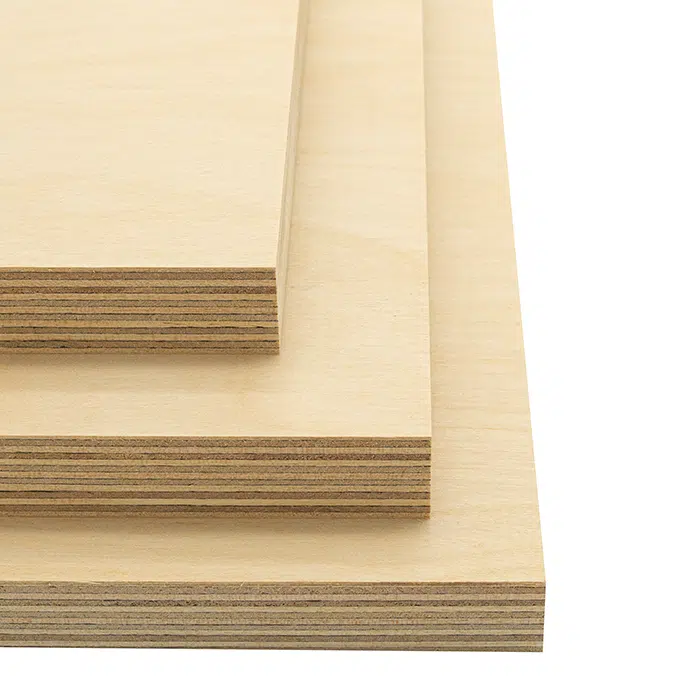
The inner layers of the plywood are not all that type of wood.
You are normally only buying forb1 face of plywood. Both sides being up to snuff is expensive. This should tell you a lot of info on quality alone.
They probably have no friggen clue what species it actually is that is on the face side of thevwood you are buying. They can say it, but they don’t know.
Above issue is why the manufacturer bought next to the logging company matters, although NA does also have a SPF problem lol.
See mahogany.
See “fir”. Hemlock, spruce, pine etc.
Everything group buy is almost certainly a bullshitbsotry filled in with an insane amount of markup at every time a boss needs to explain a fabricated story
Usually for a 3/4" thick plywood it has 13 plies (construction wood only has about 7 plies). I like them because the additional plies makes them a lot stronger. They’re also heavier. Usually graded as B/BB which has fewer defects (higher quality), and BB/BB which has more defects (but cheaper). The usual supplier tells me they have it from China, at a cheaper price (which made me suspicious), but would not tell me what it is. They also said they don’t have it and must order it.
An example of listing. I’m 100% sure they won’t have it, won’t know what it is, and I have to pay them money and find out in 2 months if it’s what I want.
I don’t care what the core is made of, but that it has a higher ply count because they are stronger and more resistant to warping. The face is birch.
That’s the core of the problem, people don’t care about what they don’t see on the face of things. Pun intended…
But that’s fine.
What species of wood is that? Understand, I know they advertise it as “birch”. I’m only trying to point out the obvious ignorance and quality standards in new and different ways lol.
Presumably it’s birch, it smells like birch anyways. It’s just that core wood tends to be less pretty examples, and they face it with something pretty. It’s for strength, not looks.
Google the issues with plywood. The issue isn’t looks, it’s quality. Loads of thebstuff here are filled with bugs gaps of scraps. This is what I have been saying. It can be terrible shit. Like mosquito houses built with the firewood in satellite TVs photo. There are standards for different projects
Had I the shop I used to have I might be able to do something with those logs, but right now, I can’t. Even if I could use them I’d still have to find a way to get it dried properly (or wait several years).
I’m looking to build amp cabinets, I don’t need top quality plywood, just high ply count plywood that’s strong. These are often painted or covered in fake leather anyways.
These are the same plywood they use for laser cutting.
You need to know the grains before making anything we’ve discussed this to death already…
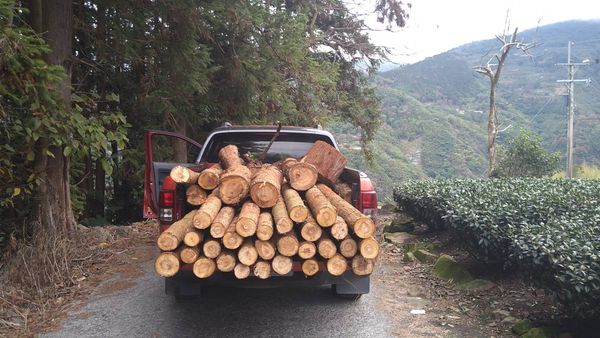
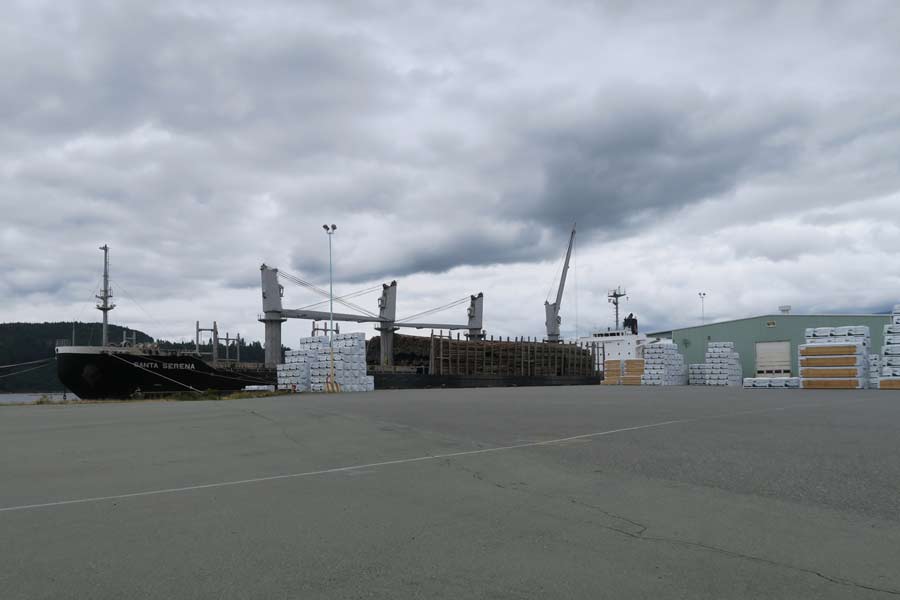
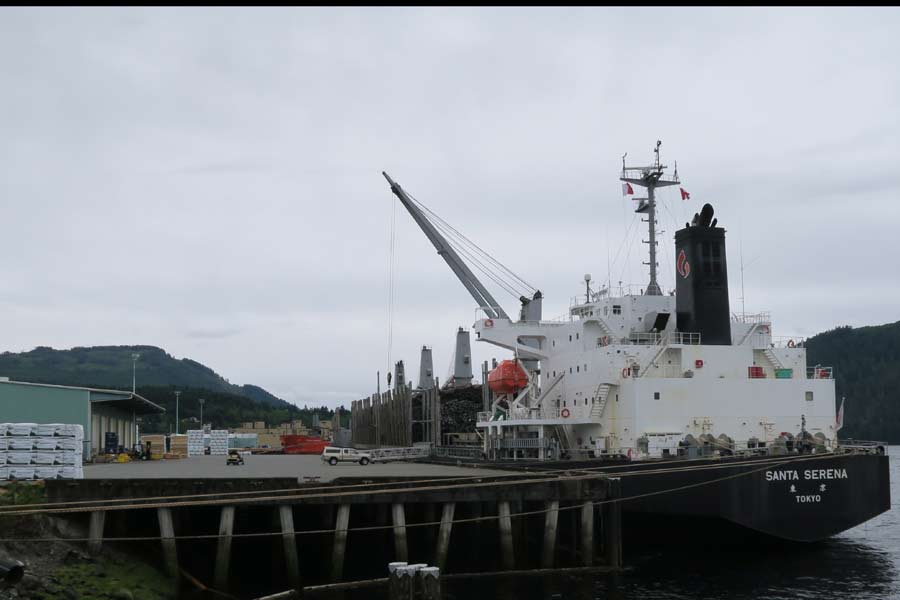
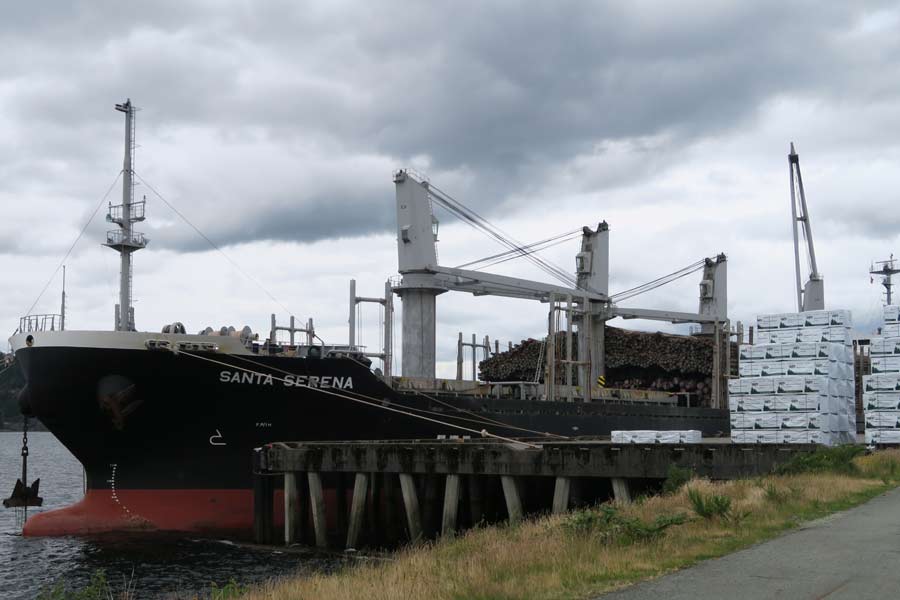
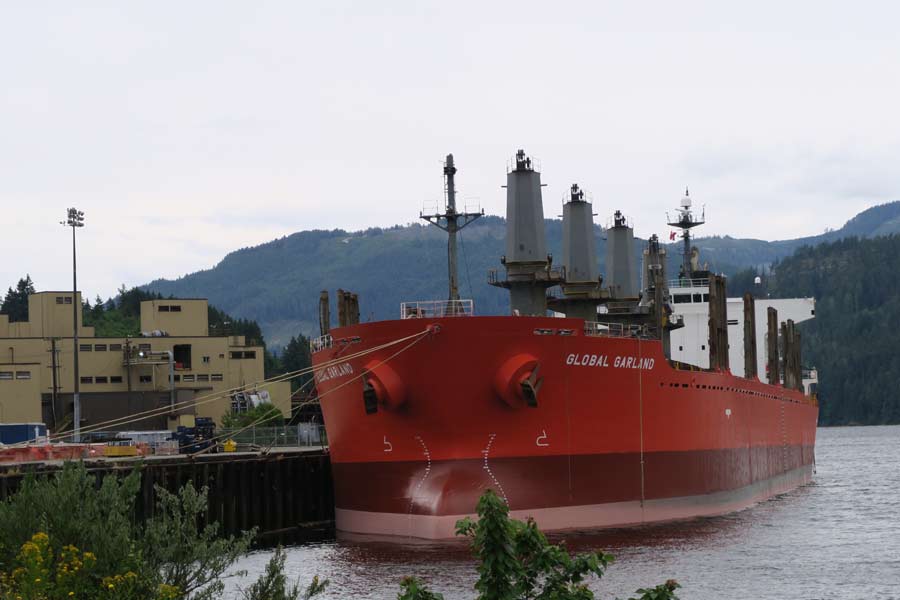
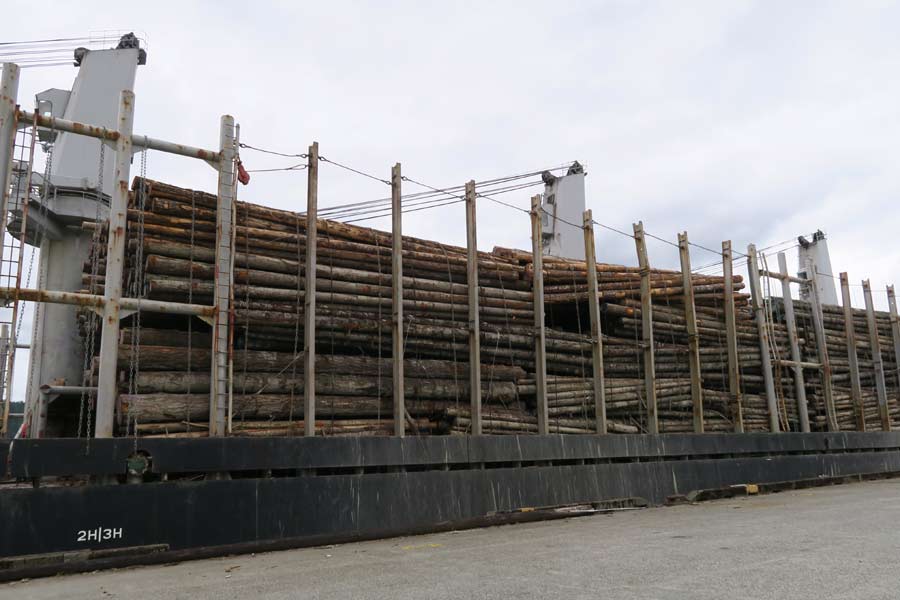
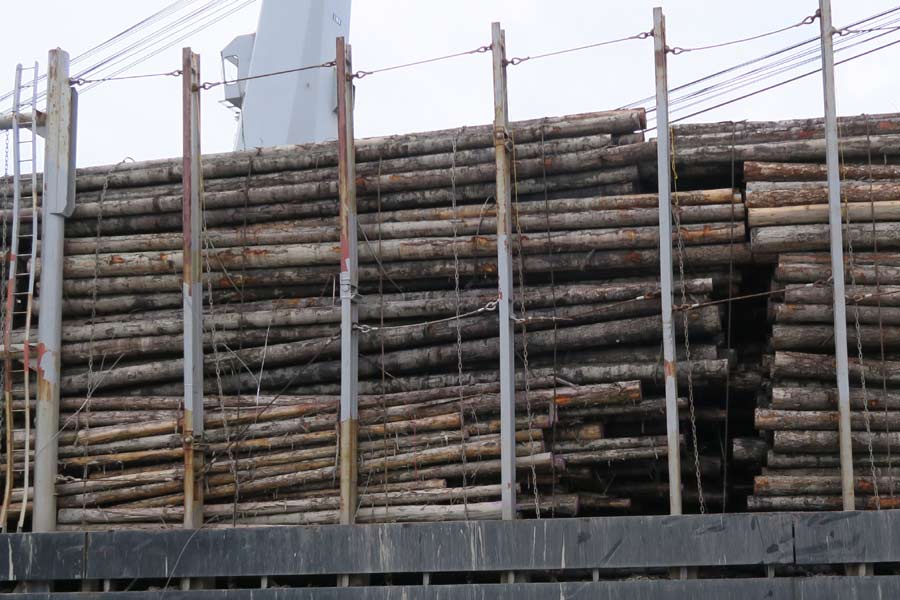
Edit. Some photos of the total trash raw log wood that is being exported out here in Asia for plywood, trims, packing, pallets and idea level garbage that rots in a few years
My pics from a few years ago where I’m originally from in Canada (just for clarification, not a random Google thing). A common sight. These are barely fence posts and being sold here as something special.
you can join those open line groups and attend wood expos in nangang. i’m pretty sure you can buy quality local wood in pingtung. typically, yilan factories source their plywood from SEA due to cost competitiveness. your last resort is to check out B&Q.