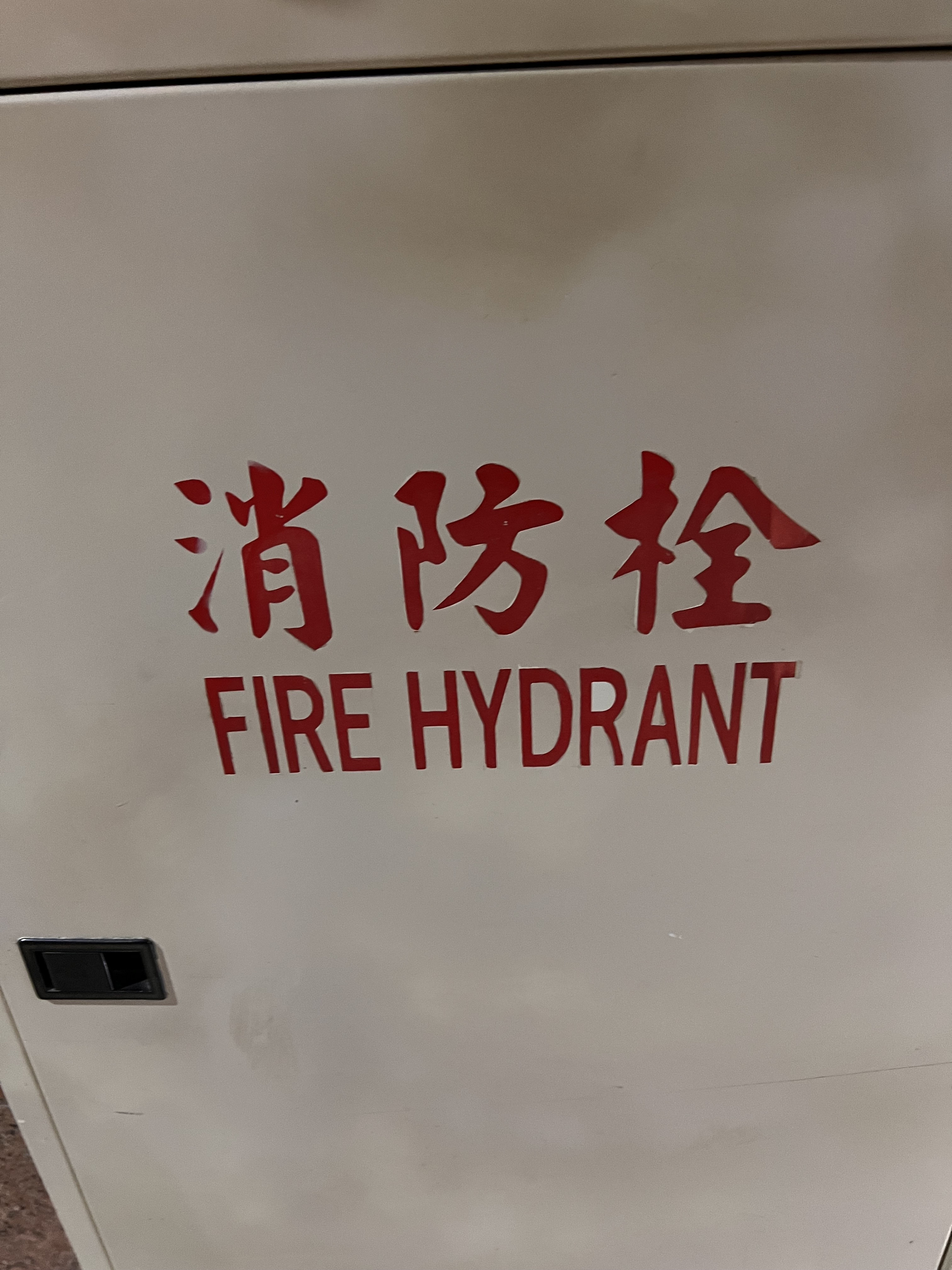
How many of those characters are actually used in everyday life? It’s not like we can get rid of all characters but they will be left to unique areas such as law, history mostly (a la Hangul). The general populace can get by knowing a few characters similar to Kanji in Japanese (ideally far less though).
Again Vietnamese manages it, Chinese could too. On top of being easier, transitioning away from characters madeVietnamese, Korean and Japanese far more flexible for creating new words and absorbing foreign words too.
They already did that… it’s called simplified Chinese…
But it sounds communist. They were created to improve literacy because traditional characters are so hard to write. But I believe the whole project to simplify Chinese was started when China was under ROC, so hard to say.
With Pinyin a character would take up to 6 key presses to type, that’s assuming you do not have a choose from a huge list of homophones, and that you didn’t need to enter tones.
What do you propose then? Remember most Taiwanese and Chinese are not necessarily familiar with Roman type alphabets, so telling them to use pinyin may not always work (I know they use pinyin in China but still).
And it’s a lot of people, there’s over a billion Chinese.
I don’t propose anything. It’s too big an undertaking that belongs in the 20th century.
Well now that you mention it maybe Taiwan could start with standardizing their romanization. Then we can start adding Zhuyin, Pinyin or whatever else they settle on to more and more places.
So signage is the obvious starting place but a more interesting one is adopted words. Why the hell Starbucks is 星巴克 for example? Just write it in an alphabet. It’s so so simple and people don’t have to come up with and learn new character combinations for every stupid non east Asian person (don’t get me started on reading east Asian names in Chinese), company or product. Change doesn’t have to be abrupt or disruptive.
I think per character it’s more like 2-3 plus Enter. If you type several words in one go, AI will usually pick the correct character combination.
Writing 漢語拼音 took me exactly 12 key presses, that’s 3 per character, and I did not have to spent time on thinking how each character looks like. But of course everyone gets quick in whatever method they are trained on and experienced in.
Many of them. The possibility for confusion and misunderstanding is endless.
Sure it works in everyday life, when cirumstances and context makes guessing easy. But go a bit deeper and it will become very unpractical and undesirable. Human brains are capable of dealing with a lot of challenges. I find it great that there are different ways of writing languages in the world. Could there be hybrid versions, sure, if people want to go that way, they should not be stopped. Like the Japanese with there massive use of foreign words written in katakana. More English words inside Chinese text? Sure, no problem with that. I just don’t think a general abandoning of Chinese characters would be desirable.
There are quite a few in some rural areas, who are illiterate or close to it, in the older generation. I don’t imagine the pinyin helps all that much with that though?
I always get a giggle in Hong Kong from the double entendre romanizations: ‘Fuk’ this ‘Fuk’ that type signs all over the place!
I was just rambling ya’ll took it too seriously. That said, I have a surprisingly hard time reading pinyin texts now too but I remember a time that wasn’t the case (granted my Mandarin was worse too so it was simpler texts). Your brain changes and adapts. Again if Vietnamese did it, Mandarin (or Taiwanese for that matter) could too.
There is indeed a lot to be said for imaginative thinking. I’ve often kinda wondered myself about how Vietnamese and Thai and other tonal languages like that manage to cope with an alphabet system. I’m functionally illiterate myself in several languages - including Chinese - so I literally - or even illiterately - have no idea what I am talking about. Overall I think there are three basic steps: 1: swap out the characters. 2: swap out the Chinese people, and 3: swap out the Chinese words for English words. At that point the task has been pretty much accomplished and you can settle into a nice Starbucks none of this ridiculous 星巴克 nonsense. A little birdie told me that they are making excellent progress doing this in Macau so I guess it is possible, one lives and hopes!
P.S. in the meantime, any idea what’s the latest easiest pinyin input program for a mac? I am considering getting back into slow lane learning by typing. I really want to participate in the discussion about characters that I always forget, but as I haven’t learned any yet I really need to get going so I can have some to forget and then laugh about.