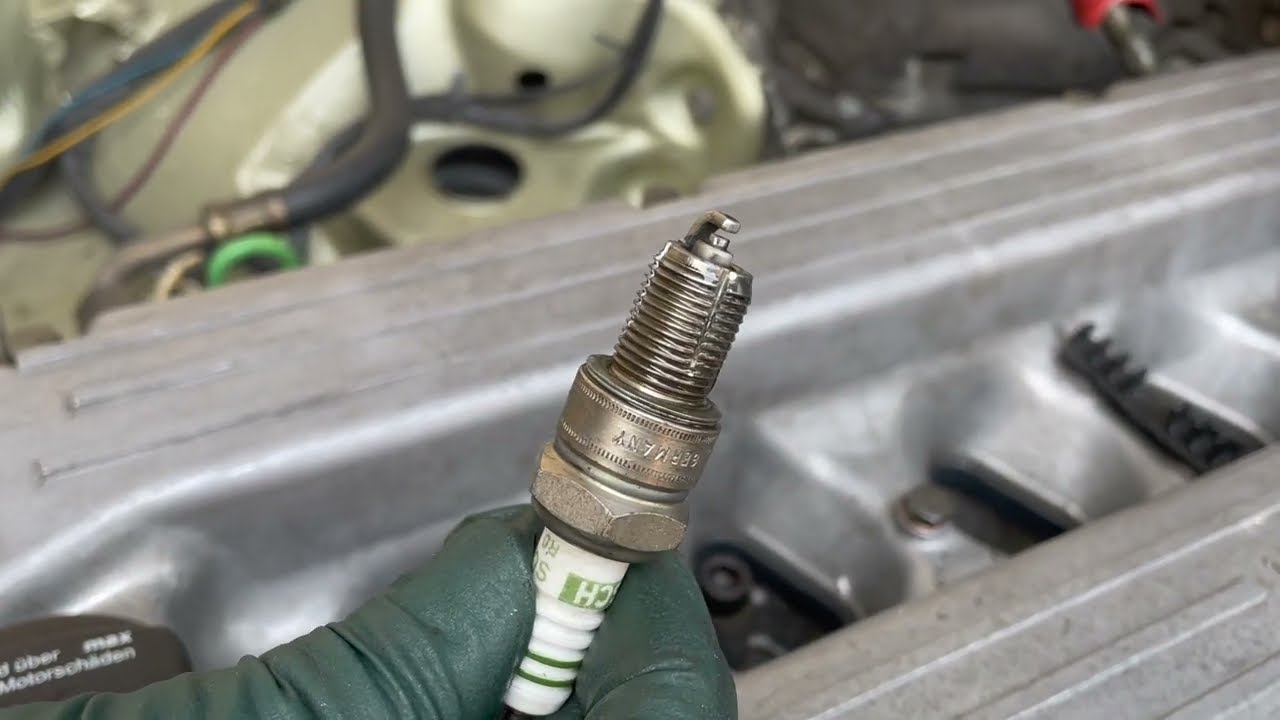
The only safe way to do it is pull the head and use a chaser tap from the good end of the threads:
What does it mean to chase threads?
A chaser tap is designed to re-form the threads, as opposed to a cutting tap, which will cut its way through, possibly removing too much thread material. This is especially important when dealing with critical-torque-load threaded holes such as cylinder head bolt holes in an engine block’s deck.
I have done it once before awkward position plug many years ago.
Remember correctly I used a little grease and eased plug in and out until it felt like was aligned, then forced it in.
Yeh, I’m sold that a thread chaser is a better option here (for me) than a tap.
I just doubt that I can get one in Taiwan, and I’m not sure I could tell I was getting one, rather than a tap, unless a side-by-side comparison was possible, which is unlikely.
IF I can get a chaser of any type in Taiwan I’ll do that, though I wont be taking the head off unless I absolutely have to.
If I have to ship-in anyway I’ll probably go for the bottom-up type, probably the Powerbuilt rather than the cheaper Sealey
Getting a chaser tap will be easy. You can also use a bottom tap as the next best option. Take your spark plug for reference. I’d bet Taiwan Luthier can source the right tap for you.
OK, whats the Taiwanese/Hakka/Japlish specific for spark plug hole thread chaser?
I havn’t listed Chinese (the language of Smoke and Mirrors Mandarins) since I think the languages of red-teethed rustic rude mechanicals are probably safer bets in this context.
I understand your concern, I was young and clueless at the time (and probably very lucky), just trying to get the job done as cheaply as possible as I didn’t have much money.
My back up plan incase it went south, was to drill and re-tap to and use one of the spark plug repair bolts/kits, I just did a quick google and it looks like they are still available.
Luckily I didn’t need it as I’m not sure how good they are and also how much metal swarf would end up in the motor.
Curious because I never saw what exactly you were working on. The compression should be a consideration as well. My low compression aircraft cylinders would blow out “repaired” plug holes very often
Actually a bit alarming, because (having apparently done quite a few before) it fails initially, and he has to use what looks like one of the bottom-up chasers AND a stud extractor to get it to stay put.
IIRC compressions were in the 150-160 psi range and fairly even, though its quite a while since I checked them.
At least if that happens with a car you’ve got a better chance of getting your plug back, though its probably more likely to have been run over by a truck.
I’ve been in a similar situation, but I just rattle-gunned a cross-threaded new spark plug into the engine and then sold the car to a family member for a 20% premium
Craig’s List: full service history, last serviced 10 years ago, but only 2,000 miles ago. Odometer not working.
The leads on these screw onto the plug so you’re not going to lose them. Good compression reading is 80psi so getting a good hold of the plug in a high compression engine is even more important.
Aircraft cylinders have 2 plugs so they’re 2x the fun.
Sort-of-interestingly, these guys actually seem to have got better results with the DIY-modded spark plug than with a conventional top-down thread chaser, perhaps because it seems rather lightly modified, with very shallow grooves perhaps in turn producing a shallow cut.
If its good enough for mangling a Mercedes, it could be good enough for screwing up a Skywing