FFS. There are millions – literally – of Chinese who do not read characters, but speak just fine. And lots of people learning Chinese who don’t care about reading or writing, but just want to speak. Literacy is secondary to any language.
5 Likes
I will defer to your knowledge
For me, the fun part of learning Chinese was the characters. It also gave me a connection to the language. I cant imagine learning Chinese as a foreigner without learning the characters.
2 Likes
Not disagreeing about whether it’s necessary, but I too found learning characters to be very helpful in remembering vocabulary. There are so many words pronounce zhi, for example, I think it’s useful to be able to connect it to a character, if I know which zhi is being used I could better remember things, and guess new words in new contexts, etc. Also, I learned as much from watching TV as from any teacher, as everything is subtitled in characters, and by recording, watching, reading the subtitles, looking up words, listening, re-watching … that’s basically how I learned grammar, how to string ideas together, and also was a huge help in improving listening comprehension. If you can read characters, there’s an endless stream of ‘comprehensible input’ coming through the TV.
By the way, I was about to order your book from Amazon … unless there’s another channel to order it through where you get a bigger cut, if so let me know.
2 Likes
I recently saw a metatron video talking about how to memorize Hanji, well he was talking about Kanji, but potäto potato.
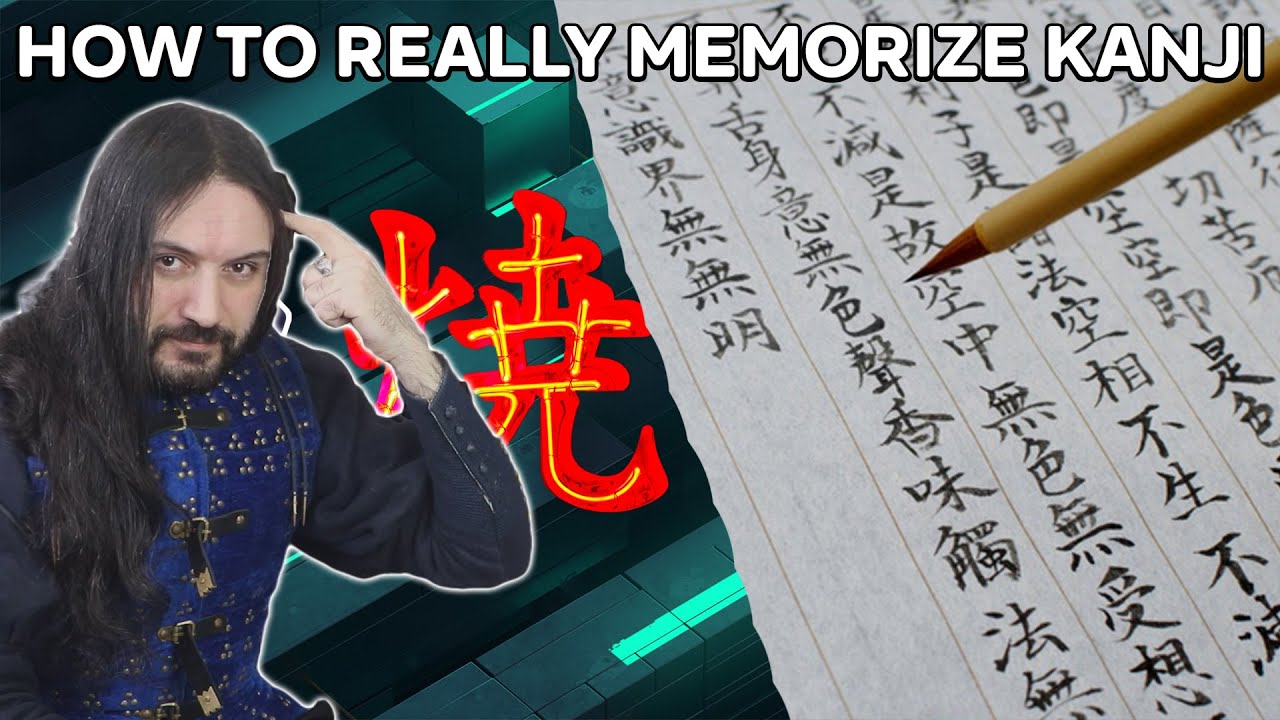
It matches my personal experience… granted it’s a experience of a native speaker, but I find writing new characters down by hand helpful. I think Metatron’s whiteboard method is pretty brilliant. Practicing a new character a day, and one that you find difficult for a week on the same board sounds like it matches what I’ve been reading about how the human brain actually learns.
I just used to do Ting Xie every day in class. Which I think is not too different from how natives learn.
You need thousands of characters to read newspaper. I used to aim for 20-30 new characters each day.
1 Like
Locals mispronounce.
Hao le for hao re. Hen neng for hen leng etc.
And don’t get me started on shi and si.
One would probably pronounce something the proper way if they’re being asked to. If they don’t know the proper pronunciation, then they can’t write the correct bopomofo for you either.
2 Likes
zhá jī . 炸雞
Taiwanese pronounce it as Za Ji. Only just realized why nobody could understand me
You need to work on your Taiwan Mandarin!
2 Likes
Even if they get the zh part right, they still often pronounce it zha4 ji (exploding chicken?).
1 Like
This dictionary for pleco help me a lot.
Learning what the characters components are is fundamental. Then lot of reading.
1 Like
If you can’t 捲舌(sp?) then you can’t pronounce Beijinghua correctly.
not really because usually they will use the 兒 to signify when you are supposed to add the er.
But do you really speak it? I feel like every time a link in Chinese gets posted its meaning is often misunderstood because few users’ Chinese is really up to the task.
Pinyin sucks. Bopomofo >>>>. The only problem is it’s a bit annoying to switch the input system so sometimes we type stuff like su3ap6fm4n3.
Pinyin is much faster as an input system. I can type chinese faster than a lot of Taiwanese. The only problem with pinyin is that like with English predictive texts, you make a lot of mistakes. Taiwanese typing with Zhuyin hardly ever make mistakes, so they think that you dont know know the chatacters
Maybe they type too slowly. I can type very fast with bopomofo.
I guess the difference between speaking and reading is above your engkish* level 
*typo, but it works
Pinyin input works on predictive text, like english. Of course will be faster
So does bopomofo.
So you speak Chinese like a local?