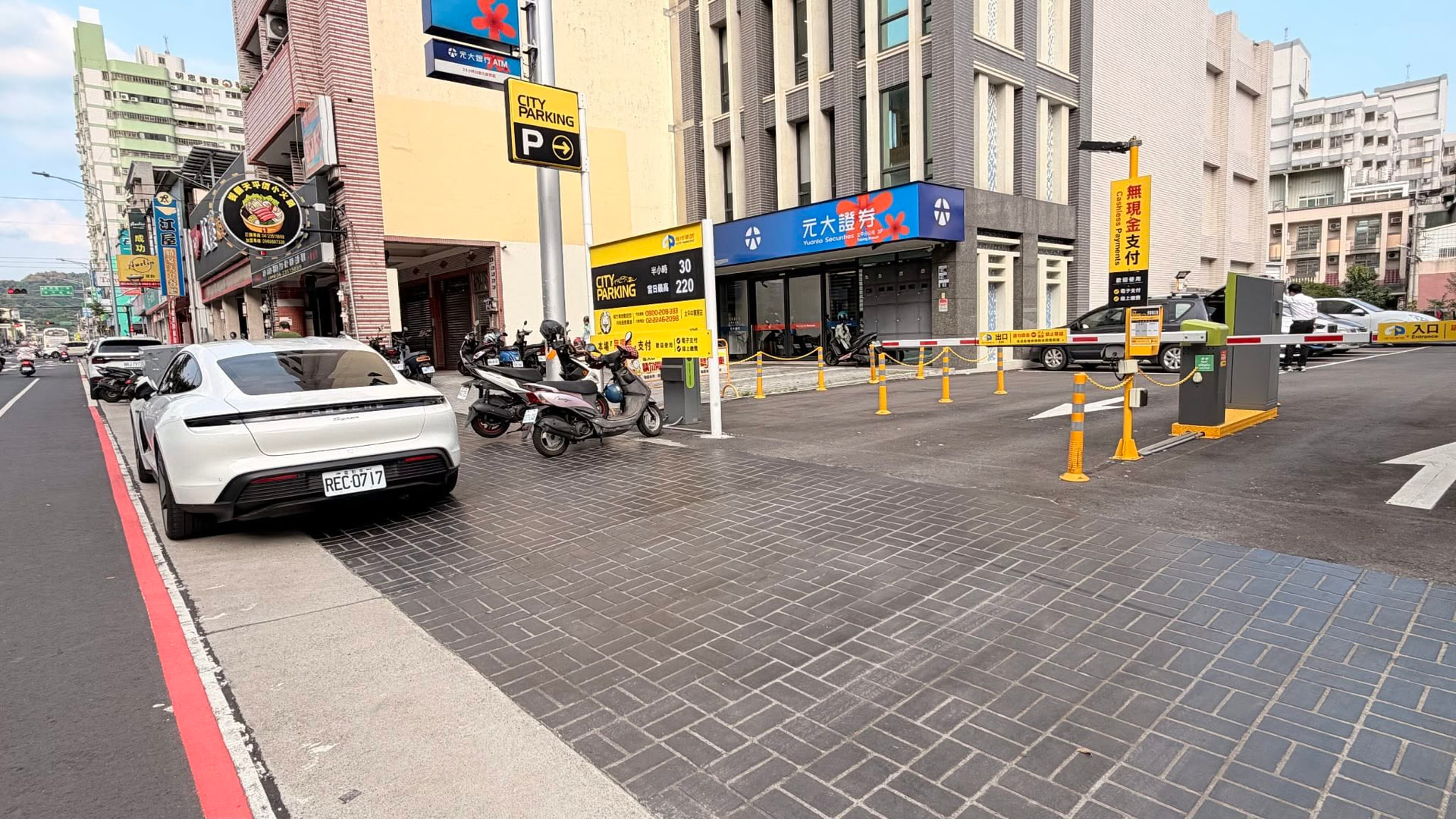
The biggest difference I see between Taiwan and Japan and Hong Kong, is a repect for road rules for the latter 2.
The biggest issue for Taiwan traffic is cultural.
The biggest difference I see between Taiwan and Japan and Hong Kong, is a repect for road rules for the latter 2.
The biggest issue for Taiwan traffic is cultural.
Worst drivers are actually what one calls ‘sunday drivers’. They use public transport or scooters most of the time living in a big city.
On the weekend they want to leave the city behind in their car, but their lack of driving experience shows.
They drive indecisive, lack awareness and break many traffic rules.
I also wanted to ask if you also experience a weird behavior from Taiwanese drivers I encounter regularly like once a month.
Normal city road and not much traffic. The traffic light far ahead is green. The driver in front drives very slow for no obvious reason. By the time we get to the intersection the traffic light changes. The car in front suddenly accelerates over the speed limit and drives through the red light.
I reported a few of them to police for running a red light.
I just do not understand their logic or intent. Are they in a hurry or not? 
Then they stop at the next intersection a few 100m ahead waiting for the next red light as all lights are in sync. 
Yep, see that pretty much once a week though.
This has happened to me too… sometimes I feel they want to trap you behind the red-light. But then I remember they aren’t usually aware of what is behind them. 
Were they turning left… They might want to do that on a red-light… as they seem too afraid to do that on a green, unless it is in front of yet to move traffic.
Lets just put this to rest ok.
Taiwanese drivers are not skilled.
They are not trying to be super skilly by avoiding all the faff on the road. They don’t even think that far ahead, they avoid it by luck while they play on their phones at the same time.
We’ve seen what happens when they are not lucky. Time and again. People getting hit on pedestrian crossings. People pulling out of side roads without making checks and predictably smashing into other cars. Going right through red lights and doing the same. Just straight up retarded brain dead driving acts that beggars belief and are daily occurrences.
This isn’t even up for debate.
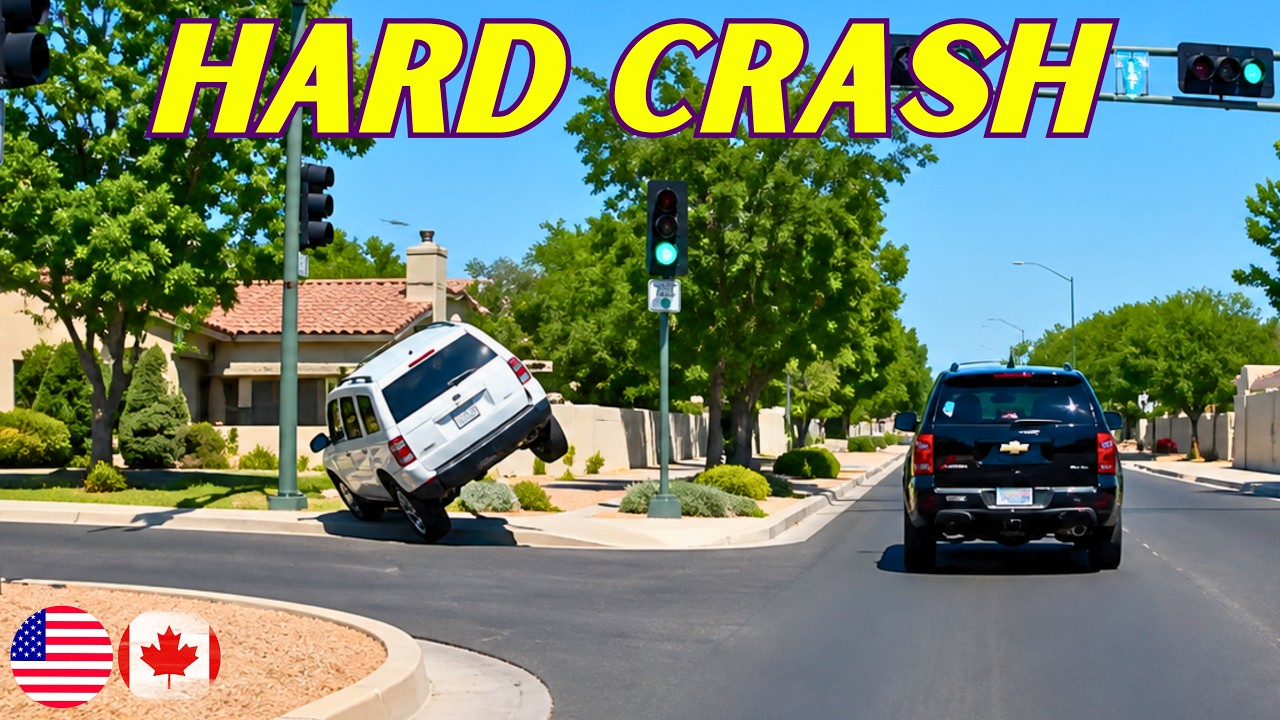
I post a lot of Taiwanese dashcam videos of Taiwanese driving fails, usually because something strange or funny went on. That doesn’t mean the same crap ain’t happening elsewhere though. In the end, a fair comparison will have to be a quantified, and not anecdotal.
Sure crashes can happen inside a good driving system too.
The thing with Taiwan is that crashes are normal as part of the system and driving logic here. Luck really is the only thing stopping crashes.
This logic comes out anytime there is a crash and people act as if its something out of the ordinary and couldn’t possibly have been prevented.
Real luck will be averaged out long term. So if crashes are a part of the system, it should be reflected in the numbers. If there is no significant difference in accident rate or death rate between the two places, then what you categorize as luck isn’t just luck.
Given the death rate… it is bad luck.
Taiwan recorded 1,368 traffic deaths within 30 days of accidents in the first half of 2025, down 4.7 percent from a year earlier and 12.8 percent compared with 2023, the Ministry of Transportation and Communications (MOTC) said Tuesday.
Traffic crashes involving two-wheeled vehicles (including motorcycles and bicycles) have been recognized as a serious problem in Taiwan because of their high severity. Motorcyclist fatalities in Taiwan contribute to the most traffic deaths
“According to an analysis by the Ministry of Transportation, when comparing the 30-day death toll per 100,000 people, Taiwan recorded 12.1, 12.6, and 12.7 deaths from 2019 to 2021, respectively. Taking 2020 as an example, this figure is about four times that of benchmark countries such as Japan and Denmark and six times that of Sweden, but lower than that of Southeast Asian countries like Thailand, which recorded 25.9 deaths. Regarding passenger cars, Taiwan’s figure is under 2, which is higher than Japan’s but lower than most countries, including the United States, France, Australia, New Zealand, and South Korea.”
I call bullshit on this… Australia has a death toll of 4.8 per 100,000 and that was an increase on the year before for all traffic accidents. Australia also has more cars than motorcycles in its mix.
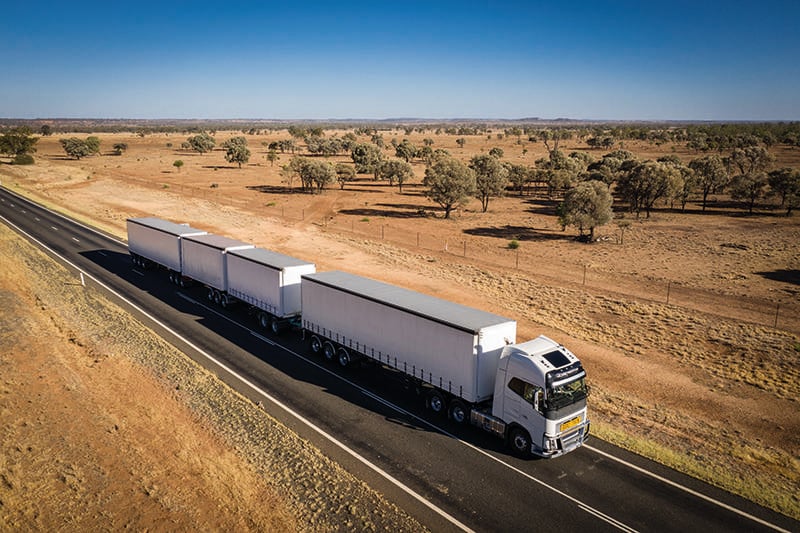
If a road train ploughs through you doing 130kph you are going to die whether you are in a range rover or on a scooter.
Road train…
It sounds a bit off. Assuming it’s accurate, it might be due to relatively low speed limits and average speeds on non-urban roads (compared to other countries) and mainly because most of the trips in Taiwan are made inside urbanized areas. We’re talking about deaths. It is rare for a 4 wheeled (or more) vehicle occupant involved in a crash inside a city to be death as a consequence. Assuming everyone involved was more or less on speed limits and wearing seatbelts. I’m sure injured numbers are a different story.
It is merely because there are more scooters than cars in Taiwan.
Or, we can adjust for reasonable and known variables. Social scientists control for differences all the time. If we’re going to compare absolute numbers between 2 very different countries, that’s kind of a useless comparison
Culturally, China/Taiwan wouldn’t make as much difference as Taiwan/US
If you’re just going to compare absolute numbers, yes it does
You needed the whole continent for a compilation though eh?
That channel posts a compilation a day. I only grabbed one at random out of probably hundreds if not thousands.
More new rules for large truck drivers starting today to limit maximum number of hours driving and require rest periods. The amendment now puts large truck drivers in the same category as large commercial passenger vehicles.
Gemini AI translation of article:
Preventing Driver Fatigue! Large Freight Vehicles Limited to 10 Hours of Driving Daily Starting May 8; Violators Face Up to NT$90,000 Fine and Business Suspension
To improve road safety and prevent accidents caused by driver fatigue, the Ministry of Transportation and Communications (MOTC) announced an amendment to Article 19-2 of the “Regulations on the Management of Automobile Transportation Businesses” this week. Commercial large freight vehicles are now officially included under the same management standards as commercial large passenger vehicles, collectively referred to as “Commercial Heavy Vehicles.” The new regulations take effect tomorrow (May 8), stipulating that large freight vehicle drivers may not drive for more than 10 hours a day and must comply with specific rest period requirements. Operators who violate these rules face fines of up to NT$90,000, and serious offenders may face the suspension of partial or total business operations.
Preventing Fatigue: Unified Management for Commercial Heavy Vehicles
The MOTC stated that, considering commercial large freight operators should fulfill their responsibility for road safety management, driving and rest times must be properly coordinated to avoid fatigue-related accidents. Therefore, the regulations now clearly state that both large freight and large passenger vehicle operators must comply with driving and rest time requirements when assigning driving shifts.
Maximum 10 Hours of Driving Daily; 30-Minute Rest Every 4 Hours
First, regarding driving time limits, the maximum daily time a driver spends “holding the steering wheel” is capped at 10 hours.
Second, regarding rest period standards, drivers must rest for at least 30 minutes after four hours of continuous driving. If the rest is taken in segments, each segment must be at least 15 minutes. If the work is continuous in nature or if special circumstances such as traffic congestion occur, rest arrangements may be adjusted; however, continuous driving must not exceed 6 hours, followed by a mandatory single rest period of at least 45 minutes.
Additionally, concerning cross-day work, the new regulations mandate at least 10 hours of rest between two consecutive workdays. For special scheduling needs, this can be shortened to 8 hours or more, but this is limited to twice a week and cannot be implemented consecutively.
The MOTC reminds drivers that if they are fatigued or lack energy—particularly those who must drive on national highways at night—they must ensure they have had sufficient rest before hitting the road. Drivers can utilize the 24-hour driver rest areas at various service plazas or exit the highway for a brief rest to avoid the dangers of fatigued driving.
Violators Face Fines Up to NT$90,000; Serious Offenders Risk Suspension
The MOTC explained that the new regulations will officially launch tomorrow. In the future, if operators are found to have failed to manage driver work hours according to these regulations, they will be fined between NT$9,000 and NT$90,000 in accordance with the “Highway Act.”
For severe violations, the authorities may suspend or revoke vehicle license plates according to the circumstances, and the most serious cases may result in an order to cease partial or entire business operations.
Also the MOTC had a meeting regarding license suspension but did not invite any pedestrian civic groups to attend the meeting. Instead only those from driving schools were invited. Now it looks like they may be making it easier to meet the requirements to do on-site testing which could make getting a license easier.
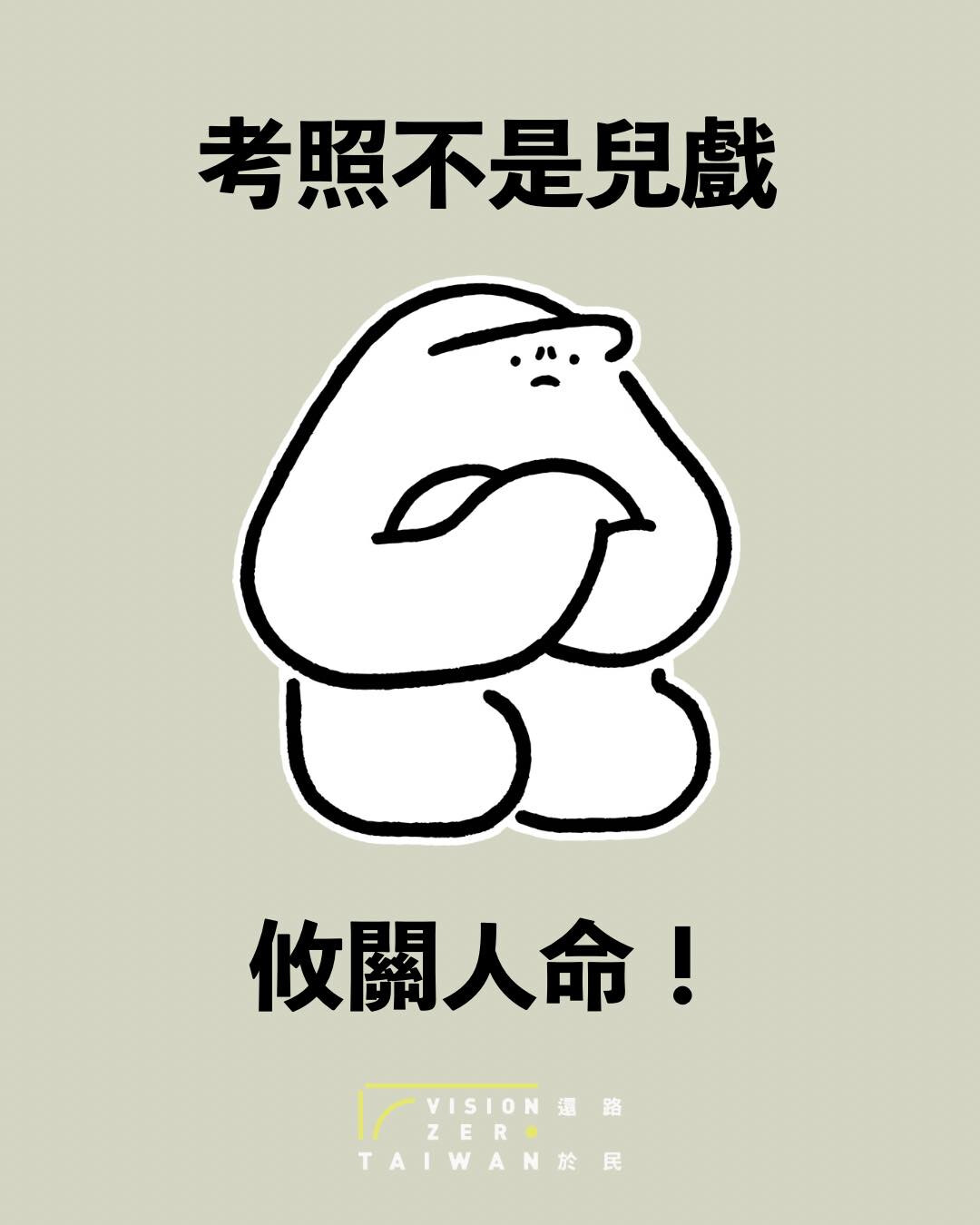
[Link to Vision Zero Taiwan post]
Gemini AI translation of Vision Zero Taiwan’s post:
This morning (7th), the Ministry of Transportation and Communications (MOTC) held a meeting regarding the amendment of regulations concerning “Re-examination for Drivers with Licenses Revoked for 3+ Years.” However, for this critical meeting involving “lives on the road,” the MOTC only invited driving school interest groups and refused to allow human-centric transportation advocacy groups to participate in substantive discussions. We express our strongest regret regarding this.
When the Driver Training System is Riddled with Loopholes, Who Protects Our Lives?
Two Key Issues Making the Road Environment More Dangerous:
1. Lowering the Threshold for “On-Site Testing”: Are We Testing Driving or Memorization? The draft proposal intends to lower the standards for driving schools to apply for “on-site testing,” meaning it will be “easier” to obtain a license in the future. The current on-site testing system has long been criticized: students simply “memorize formulas” for turning the steering wheel based on familiar landmarks like trees or spots on the ground. This rigid model, which is completely disconnected from actual road conditions, fundamentally fails to verify real driving skills and emergency response capabilities.
2. Re-examination for High-Risk Drivers: Using the Same Old Model Risks Repeating Tragedies For “high-risk drivers” whose licenses were revoked for over three years due to serious violations, the MOTC still intends to use similar models, processes, and standards. By sending these dangerous drivers back to driving schools to attend the same classes as beginners and practice on the same tracks with barely improved standards, can we truly expect them to change their habitual violations? Without targeted behavioral assessments, re-issuing these licenses is merely planting the next time bomb.
Our Demands: Give Us a Sound Training and Testing System!
We solemnly demand that Minister Chen Shih-kai and the MOTC:
- Comprehensively Review Systemic Issues: The current training grounds are seriously inconsistent with actual road environments. We must move toward a direction of high-ratio actual road training and testing with randomized, diverse content.
- Resolve the Rigidity of Road Testing: Fixed routes and fixed items lack the randomness seen in other countries. The system even lacks field items like pedestrian priority zones and roundabouts.
- Cancel the “Exemption from Yielding to Pedestrians”: Within the road testing system, there are regional restrictions and exemption clauses that allow “traffic light items” to replace the testing of yielding to pedestrians. This lack of supporting measures fails to cultivate the safe driving skills required to yield to pedestrians.
- Increase Substantive Pedestrian Yielding Tests: Draw from international experience to strengthen practical skills like “pre-observation steps for pedestrians,” while establishing a road-use concept centered on the “hierarchy of road users.”
- Reject Closed-Door Policy-Making: Decisions involving driving training safety should include the voices of human-centric transportation groups and pedestrian representatives, rather than listening solely to the opinions of driving school interest groups.
Obtaining a license should not be a game, and licenses should not be issued indiscriminately.
We ask the MOTC to show courage. Do not let Taiwan’s training and testing system continue to be out of step with international standards, and do not make parents and children worry about falling victim to a system that “hands out licenses to everyone” when they cross the street!
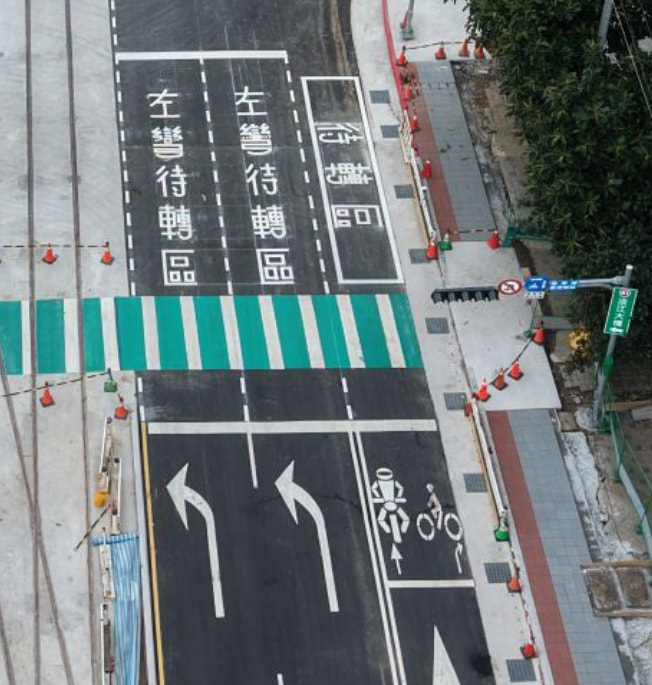
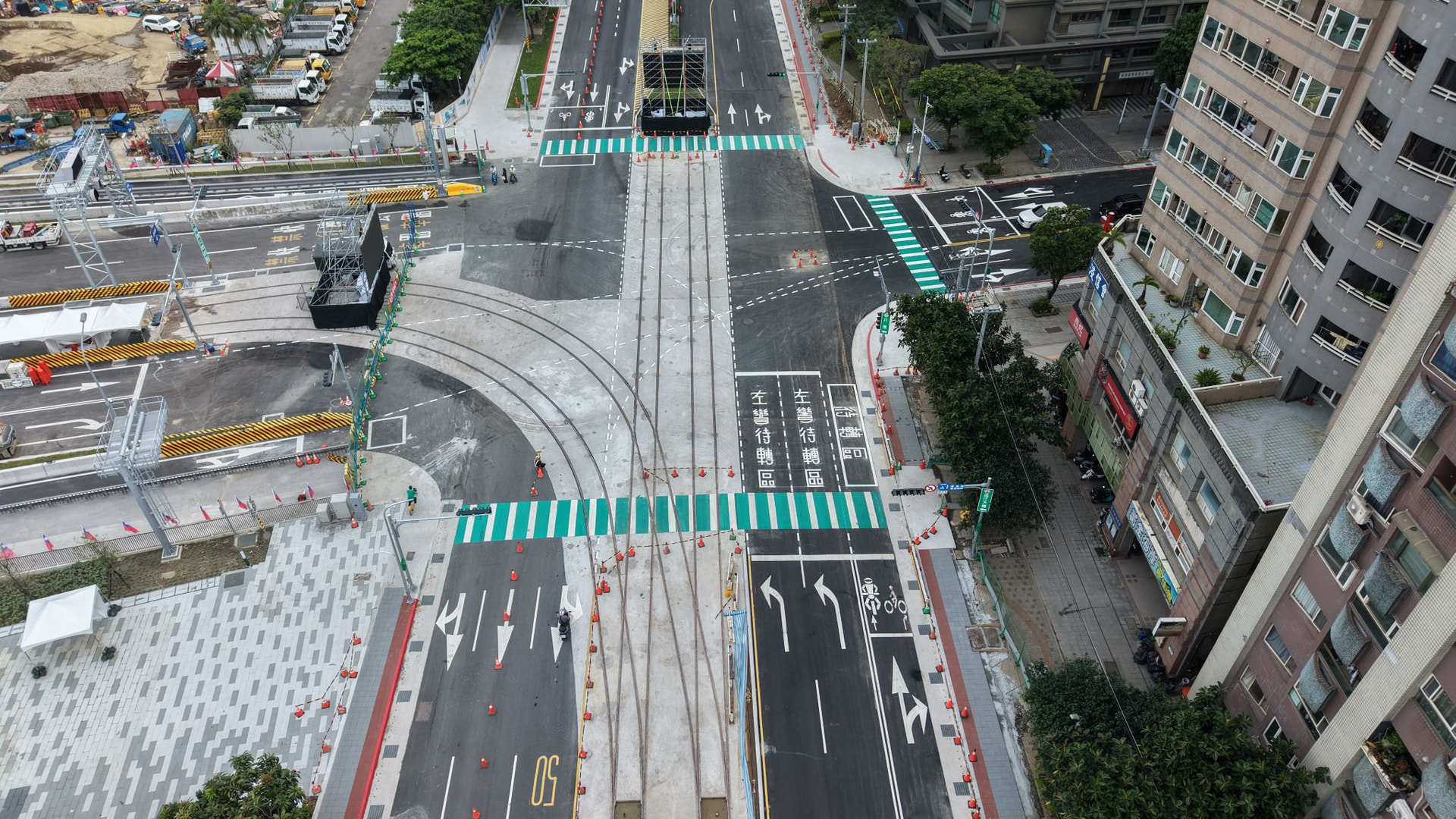
They fixed it /s
After:
Before:
Lots of drug driving cases in the news recently. Of course still plenty of people out on the roads while drunk too…
Just from the past few days:
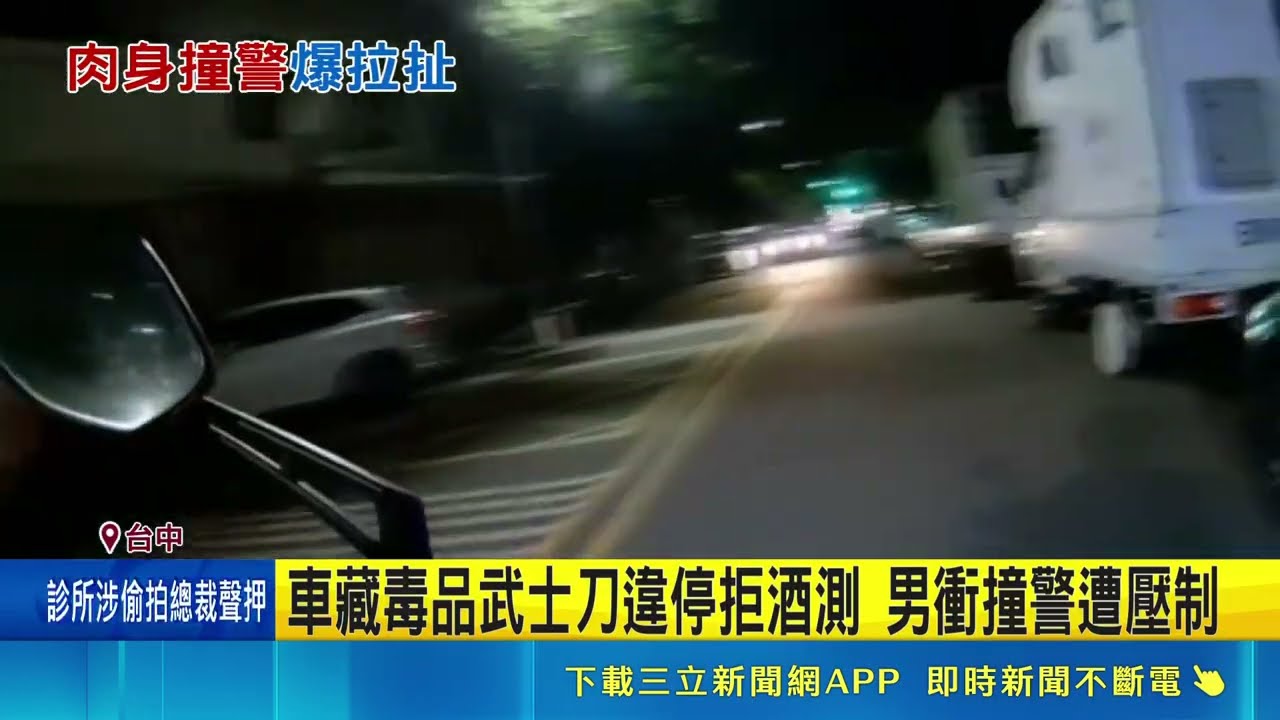
Driver illegally parked gets upset at police coming up to him and asking him to do a breathalyzer. He pushes the officer. Oh and he also has drugs. It seems to happen quite often where police find someone with drugs just by doing simple checks on people illegally parked.
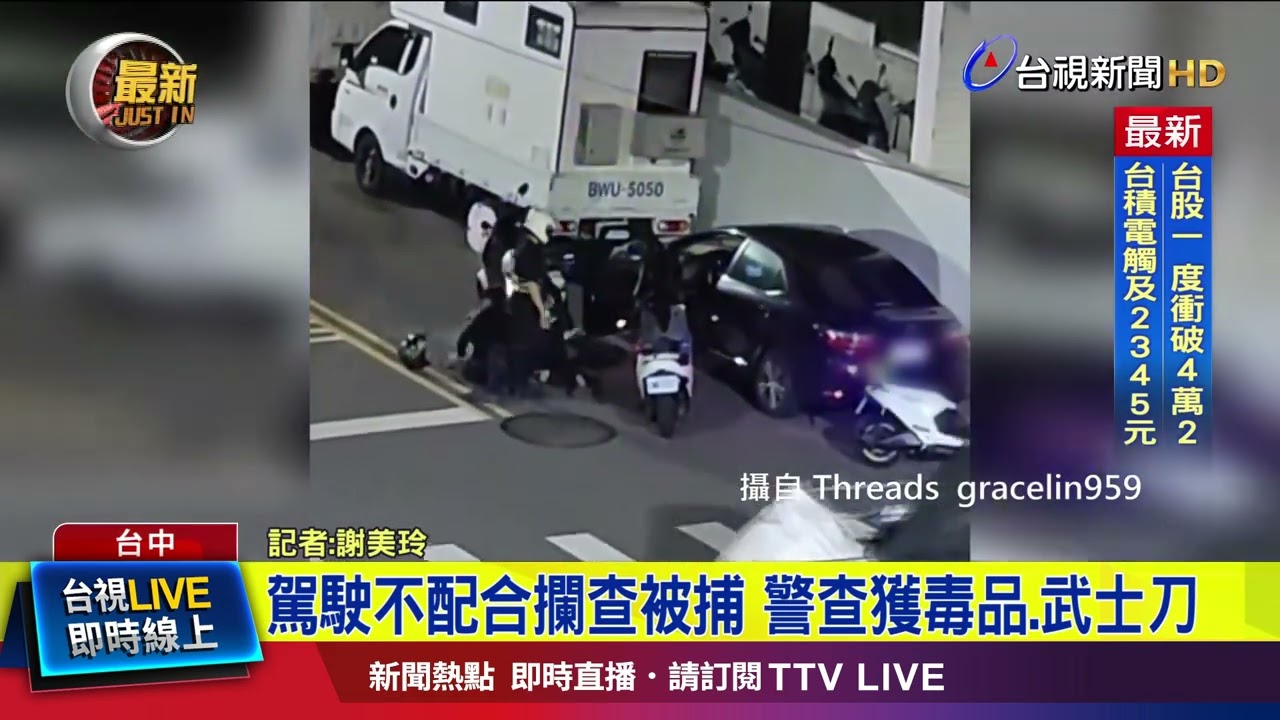
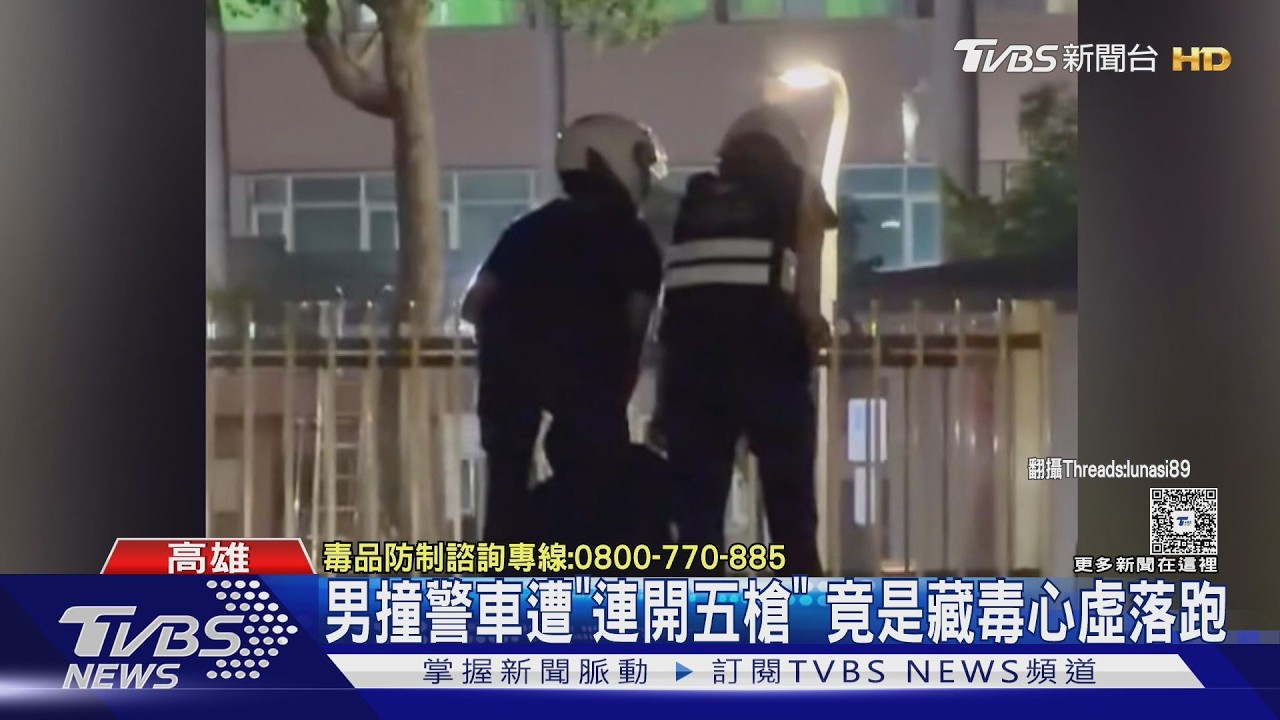
Another illegally parked driver flees from police. The officers fire their service pistols, shooting 5 bullets. The driver had drugs in his system.
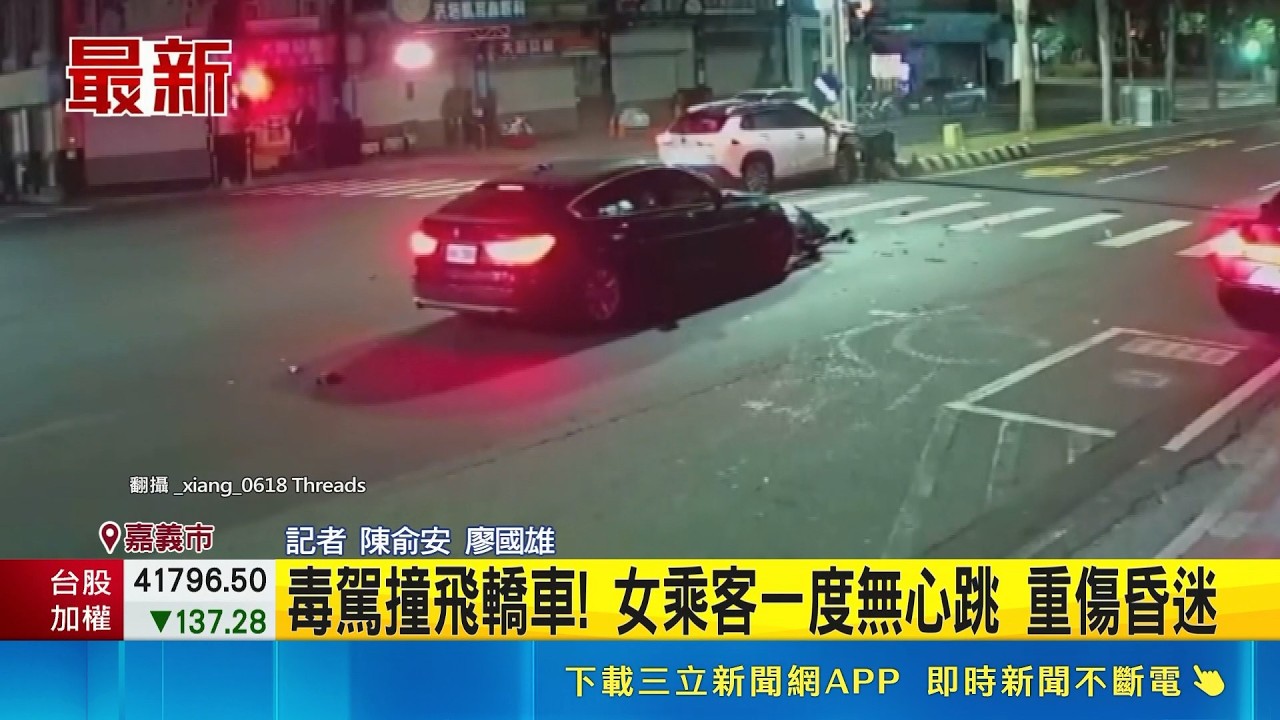
another drugged up driver. turns left from the outer lane and crashing into another car going straight sending them head on into the concrete divider. The passenger was seriously injured.
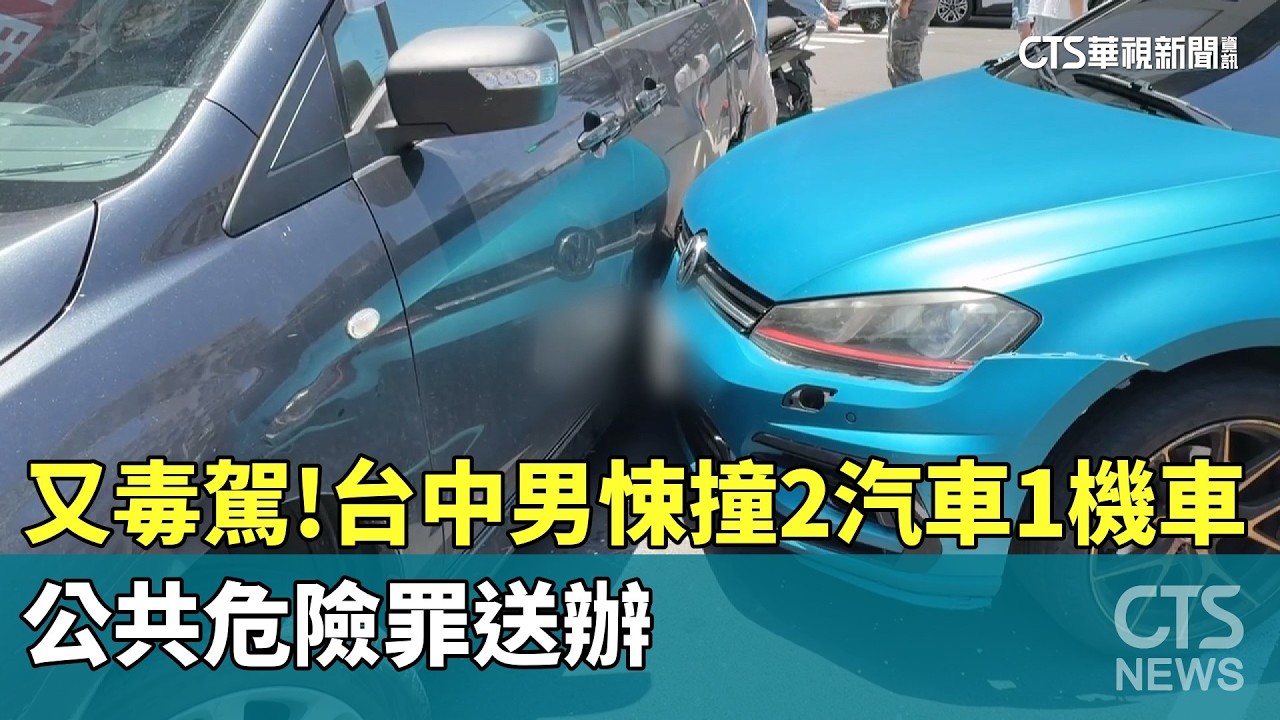
and another one driver on drugs hits 2 cars and a scooter.
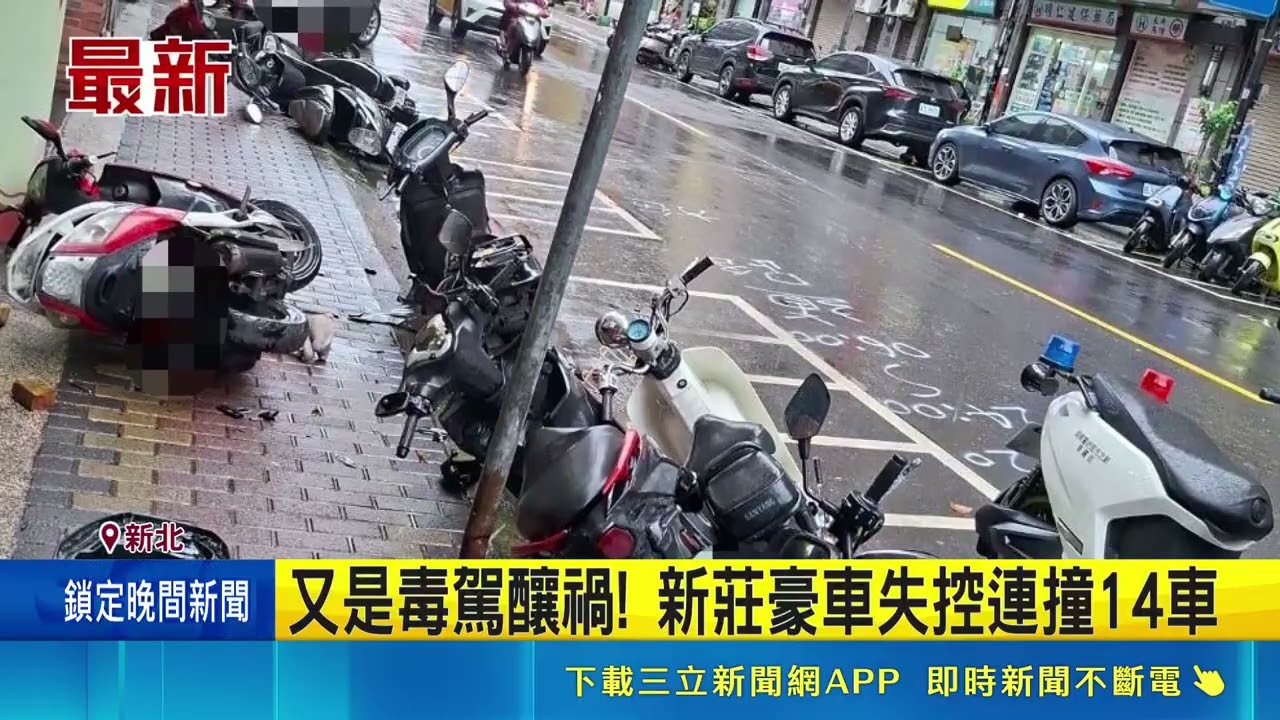
another driver with drugs hits 14 vehicles.
another driver on drugs slams into a scooter rider at a red light then continues to run the light and hits a car at the next red light.
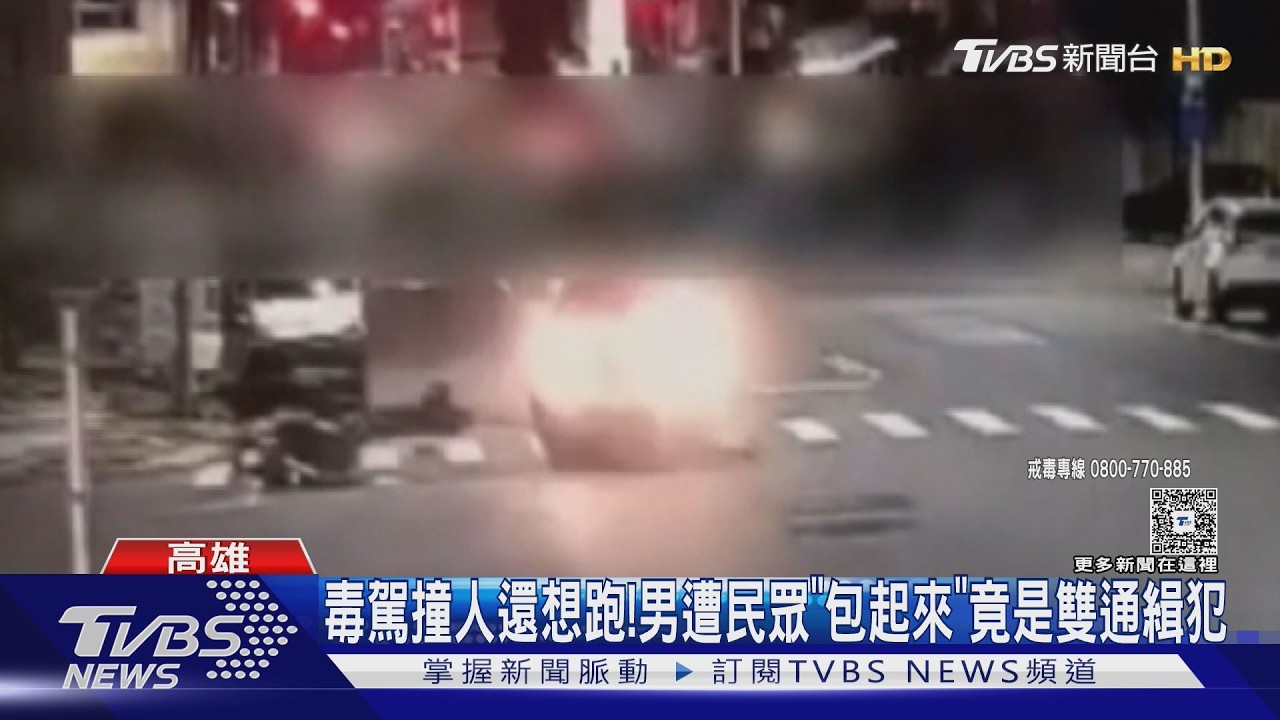
A taxi driver that looks like he’s on drugs…or is he?

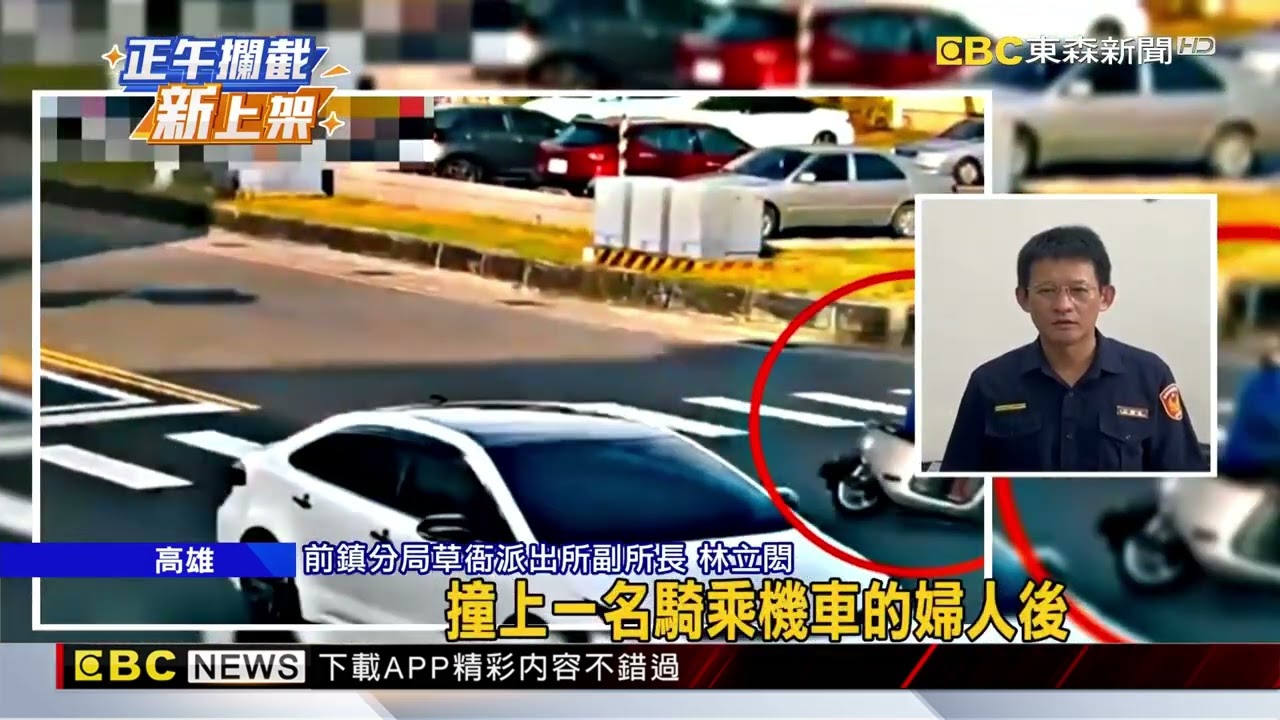
A drunk rider fleeing a police officer hits a woman while fleeing.
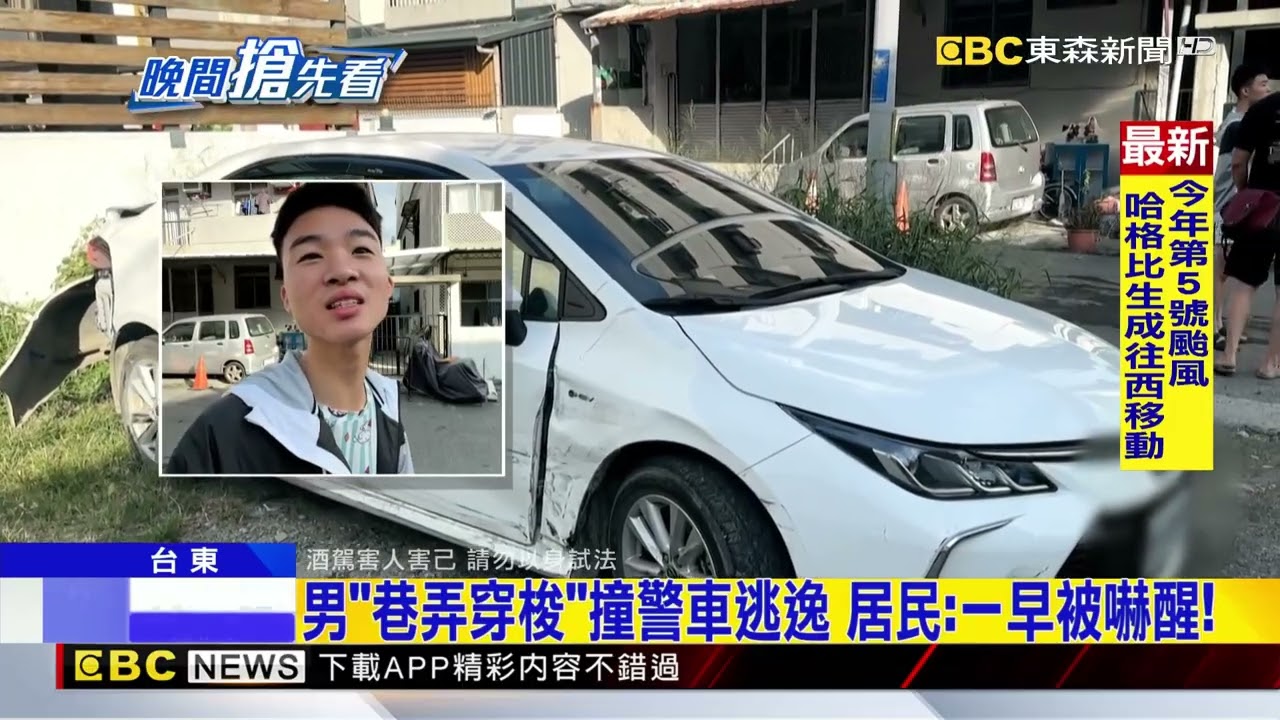
Drunk driving fleeing from police. Hits the police car in his attempt to drive past them. 3 people injured in this whole mess. He got the police’s attention by running a red light.
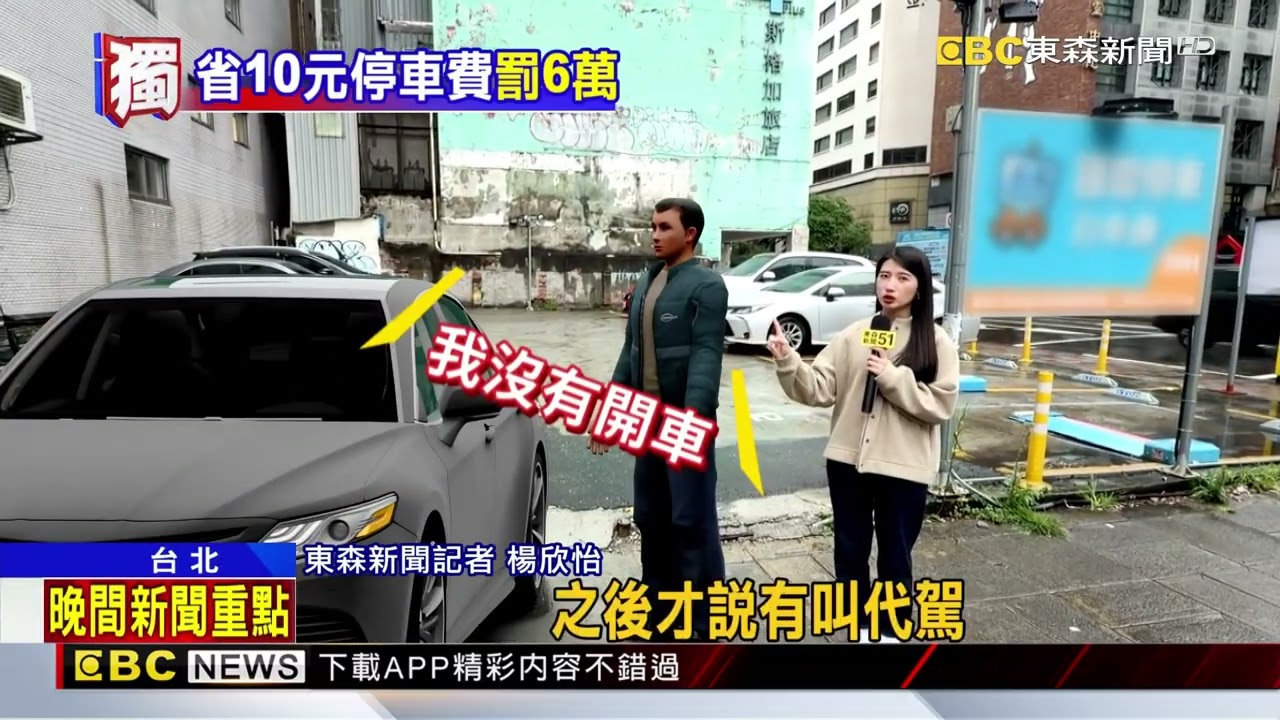
Another drunk driving deciding to move his car while waiting for the designated driver he called. He didn’t want to pay a little extra money for the parking so he drove out of the parking lot and illegally parked in the road and police saw his car parked in the road and gave him a breathalyzer. Rather than wait a few more minutes and spending a few more NT$ he is now going to be hit with a drunk driving charge as well as having his car impounded.
In Taichung in one area apartments were found to have illegally blocked off the qilou. The only surprising thing here is this is news…it’s like this all over. Anyways since it’s in the news it was confirmed by the city to be illegal and the construction company said they were wrong and said they have started removing the walls blocking the qilou.
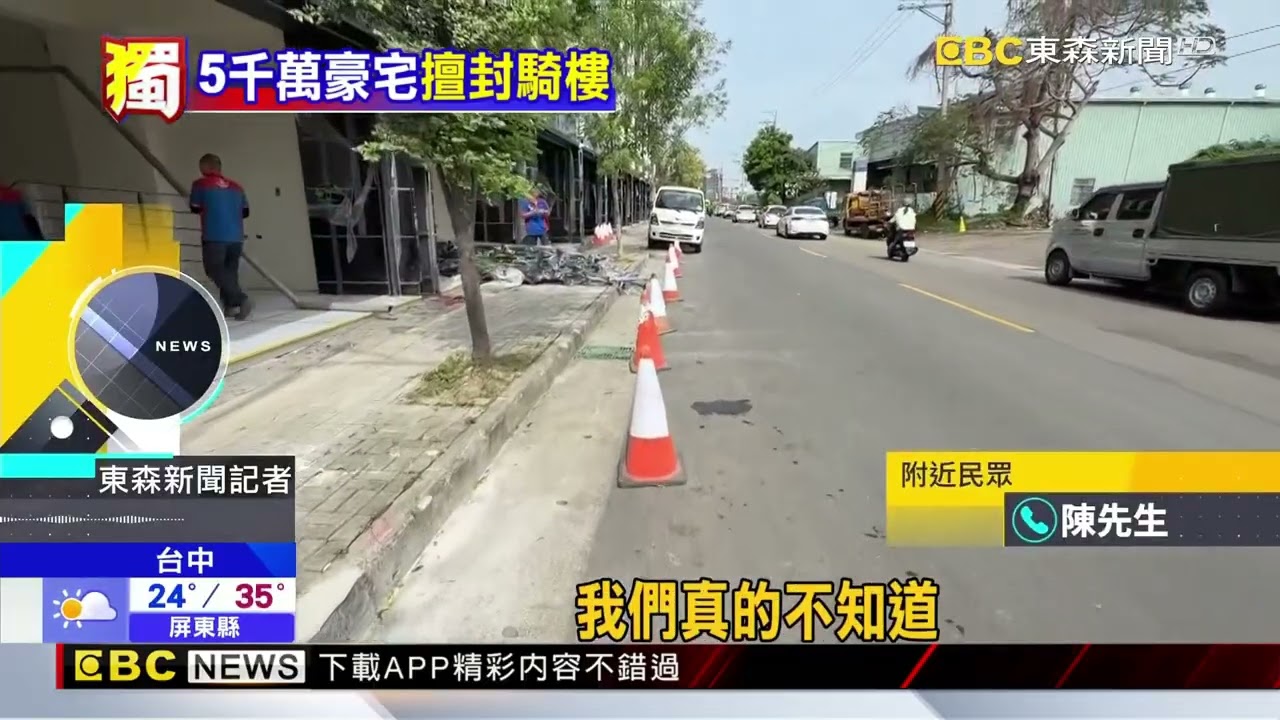
Don’t you love all these sidewalks that are flush with the road? Makes illegally parked on them so easy.
Scooter rider runs a red light and hits a pedestrian crossing the street.

Happens quite often in my experience. Being on a white plate scooter makes it pretty bad. Inner lane can be completely empty but there’s a ban on motorcycles, the outer slow/motorcycle lane is dangerous due to all the illegal parking, and the middle lane has someone driving 30km/h in a 60km/h zone. Because it goes on like this for a while you have traffic from the previous intersection/light coming up on you at at least double your speed and then the light starts to change and now you have to worry about being slammed into someone from behind you as they might try to speed up for the orange light.
I saw it from afar in YouTube and I didn’t want to believe it. Now that you share a closer look… I don’t know if I should laugh or if I should cry.