https://x.com/HangryDBowman/status/2117336657095508069?a=ISo_WOXgXDEO5DESX8Y&s=19
Well, they at least lived and worked together in Taiwan about 8 or 9 years ago for some reason.
Very informative, but I wonder if the plane had already lost some control before they entered that small pocket of storm, and that’s why they ended up there. The flight path looks like they were trying to avoid all of the storm until they veered into the small pocket. That was all while the co-pilot was on the radio reporting that they’ve got some icing, which again, isn’t that common at 320k ft with -47°C TAT.
Anyway, super tragic.
Im not a pilot but I would think if I was one I wouldn’t fly certain aircrafts like this.
I watch a plane crash YouTube channel (it’s about pilot mistakes) and they do regularly call out the fact that some planes are just hard to handle.
Cough Boeing 737Max cough.
Seriously though it does make one marvel at how good (as opposed to dubious) engineering works. The fact these machines can and do fly thousands of kms through the air is frankly astonishing. It’s amazing things don’t go wrong more often.
Guy
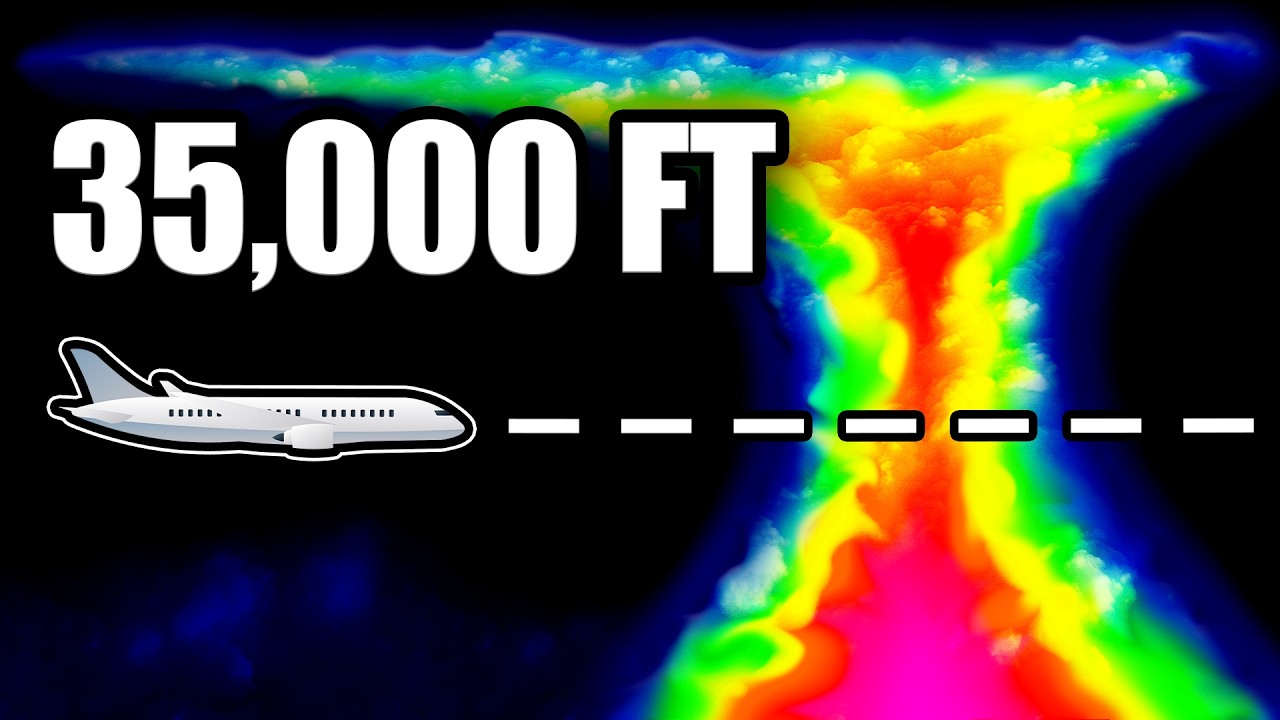
This video analyzed the storm from it’s cross-section to show us what the plane was flying through when it began to dive.
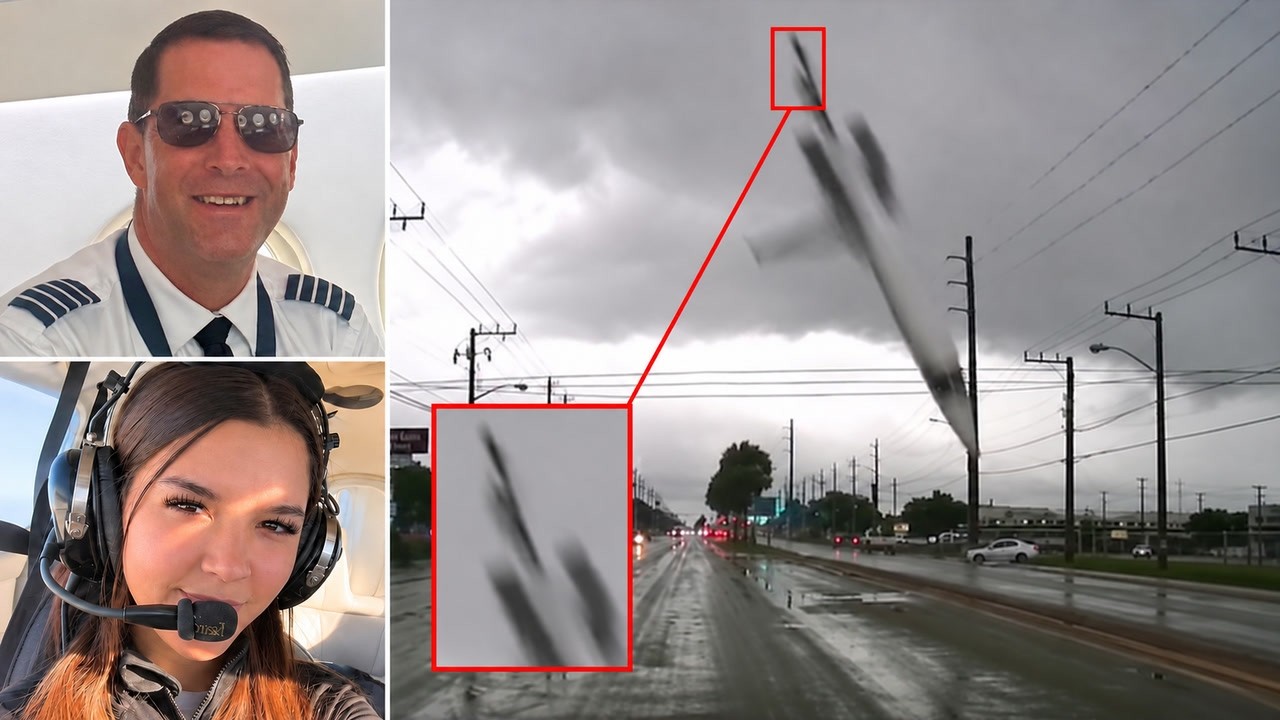
This pilot says if you encounter clear ice at 35k ft with a TAT of -47°C, that should be cause for concern, and should have been considered as an emergency condition. It is already extremely unusual for icing to occur at that altitude and temperature, the fact that it was clear ice meant even if anti-ice was working, it is only designed to de-ice the leading edge of the wings, and clear ice is instead formed on the top of the wings and could spread and cause the plane to stall at a higher speed.

Since they were flying well above 25k, the window for not stalling is already narrow. Then they had to keep to speed up because of icing, but keep their speed down because of turbulence.

NASA tests on modern airfoil shows that 2 minutes of clear icing accumulation reduces 25-30% of lift, doubles the drag, and critical angle of attack is reduced by 8 degrees.
LearJet 60 simply wasn’t built to fly through that weather at that altitude, and the only way to avoid stalling was to avoid that storm.
