I do not mean stuff with complicated mathematic equations like calculations for skyscraper construction, rather literature discussing basic physics, fauna and flora, geography, demographic data etc. which are not used in common speech.
The concepts are simple enough to understand if you find it it interesting, but reading that in Chinese characters?
It takes too much of time to learn to even read them and most Asian kids are overhelmed with school and cram school, so the learning curve gets even steeper.
That’s a design flaw, which must be conceptual and intentional, since people must have figured the same thing long time ago.
I don’t know about comparisons of reading age in Chinese vs English. However, I can say the following.
Rates of dyslexia in Hong Kong and Taiwan are lower than the UK.
The average Taiwanese 13 year old will know approximately 3000 to 4000 characters. Meaning they can read most texts, including books, newspapers and textbooks.
This is simply untrue, Taiwanese kids learn to read at about the same age and at the same speed. A few even learn to read before they start school. There is no difference in the difficulty of what they can and can’t read.
It is obviously true that learning to write characters by hand is a more complex task than learning to write 26 alphabetic symbols. But it’s not really that big of a deal for young children and their highly malleable brains. But in the process you are also learning a whole system of aesthetics and potentially gaining access to the whole treasure trove of East Asian civilization—kind of like learning the keys to Ancient Greek at the same time as learning English. Kids also learn discipline and some important things about the role of effort in learning.
Taiwanese kids are overwhelmed with school and cram school after they already could read. It’s the amount of homework, memorization, and test prep that overwhelms them.
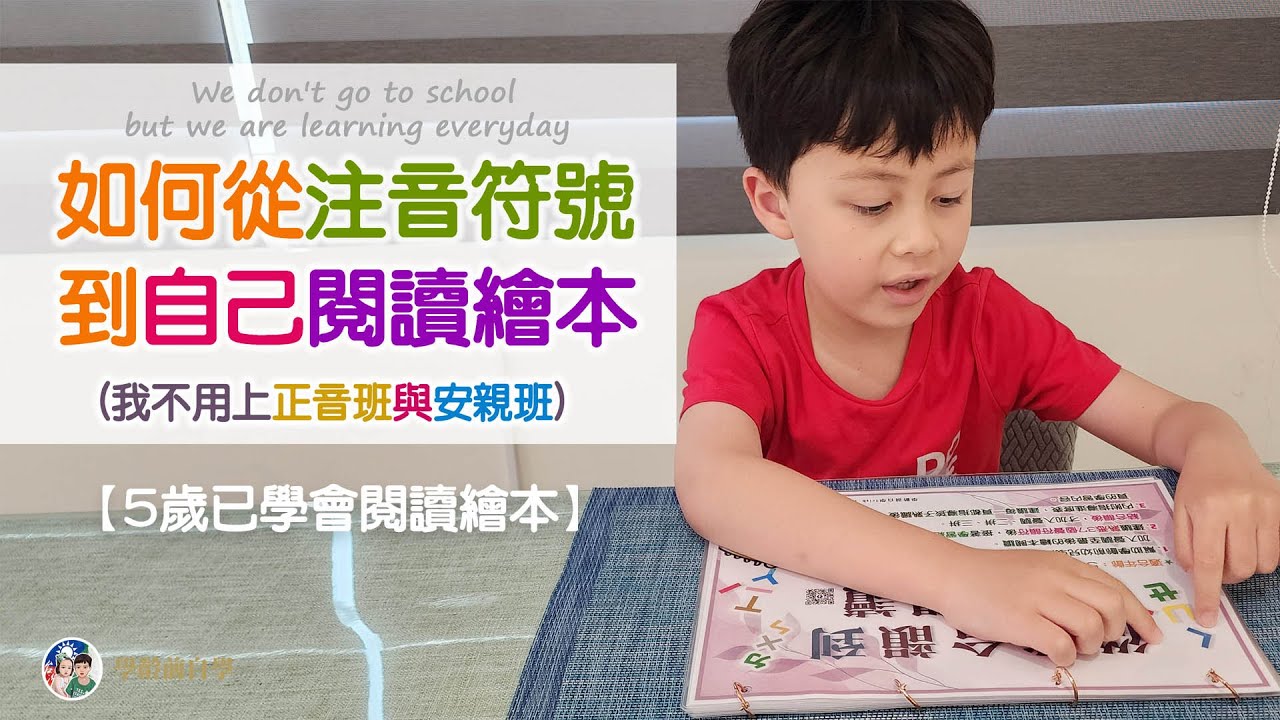
I would say most kids can read at a basic level in Taiwan before first grade. Back in the 80s I could read around 4 or 5 years old. Writing took longer, probably until grade 2, but that probably has more to do with developing fine motor skills than anything else.
The thing is, learning Chinese character as a native speaker is not that different from learning to recognize objects. You see a fruit for the first time, and learn it’s called an apple. It doesn’t take that long for you to see an apple again and recall it’s called an apple. That’s what it’s like for kids to see 蘋果 and be able to read it after a couple of times. Writing it would be more like a kid learning to draw an apple. That might take much longer.
So the processes of learning to read 蘋果 and 苹果 are the same. Learning how to write them might be different, but honestly not that significant, especially when typing is the main way of text communication anyway.
Yes, I have known bright children with educated parents who have learned to read Chinese before starting school even without kindergarten etc. Their parents read to them etc and plenty of books at all levels are provided to them. It seems like magic to me given how hard I had to work to learn to read Chinese.
I think “most” is really stretching it. Public kindergardens do not teach reading or writing characters, not sure they even touch Zhuyin, first graders in public schools use Zhuyin for at least half the year before using a combination of Zhuyin and characters. Private kindergartens generally teach Zhuyin only.
Yes, but most kids learn how to read simple children’s books before elementary school starts. They just need to practice how to write in grade 1. Same with zhuyin. Very few kids learn zhuyin for the first time in first grade.
Our almost six-year old pre-schooler knows a lot of Chinese characters, but I would not call that able to read, yet. The speed with which kids absorb new characters is kind of amazing, though. Our kindergarten is mostly keeping kids busy and out of trouble, wouldn’t call it a proper introduction to the Chinese language. So at that level it pretty much depends on kids natural ability to learn and whatever the parents do at home. My sense is that some, if not many parents, here are obsessed with preparing their pre-school kids for school, sacrificing hours spend outside and running around, which in my view is detrimental to the kid’s overall development and will probably make school learning also more difficult in the long run. But what do I know. I am frequently told by family that I am not understanding the “Taiwan way” and should not “hurt” our boy with my “Western approach.”
As to traditional vs simplified. I absolutely dislike simplified. We play a lot with Ultraman cards that were printed in China. Trying to understand what is written there in tiny simplified characters hurts my eyes and brains.
Definitely not my experience with my kids in elementary here, first pre-start meeting the teachers did a round robin with parents on their kids abilities. Those that went to public kindergardens had zero for the most part, not even Zhuyin, those who went with private kindergardens generally had Zhuyin down and a few could read basic stuff. The vast majority of public kindergarden kids at our kids school were learning Zhuyin for the first time in elementary.
Very clear on this with my kids school as their teachers had a bit of a panic thinking they wouldn’t even have the spoken language down which lead to discussions with them, my kids went to local private kindies so were ahead of many of their classmates, much to their teacher’s relief!
Could vary by area but as far as I’m aware public kindies are not allowed to teach even Zhuyin, much less characters.
Absolutely! At least for the first few years when it’s fun for the kids realising they can read signs and notices, after that they seem to be mentally belted into them, like it or not…
By public kindergartens are you referring to the proper government ones? I think they tend to be a little less strict and police state-like unlike many of the private ones.
My kiddo could read basics before elementary. Things like “The car is red”, “The dog is big” type simple stuff in mandarin. Not full books, help sounding out. Same for english. Didn’t go to kindergarten though. It was funny to watch because I noticed early on she was trying to read books in English like she would in mandarin, pure memorization. So if words started with the same letters, they were all the same because she wasn’t actually reading via sounding out like in English but just trying to memorize shapes like in mandarin.
I remember back in the day when I arrived and taught English here, their morning mandarin lessons did include the alphabet and basic characters. Even the youngest ones around 2 to 3 had those foam puzzle peices with the cutouts of random sounds they could recognize and bang on. Region might be important. My experience is pingtung. By age 5 and 6 most could read the simple stuff. And the teachers were borderline nazis.
While sonuding out the spellnig might give some clues for kid raeders to figrue out a word they haevn’t seen before, in the end Egnlish readers, or readers of any writing sytsem for that matter, esesntailly do jsut memroize the shapes.