I guess there were a good number of movies about China during WW2. Previously someone mentioned 1942’s A Yank on the Burma Road, which was about a New York cab driver after heroically saving a child was recruited by the KMT to help open the Burma road. I recently came across Dragon Seed, which featured Katharine Hepburn.
The movie is about a rural village invaded by the IJA, and most chose to be compliant, but Katharine Hepburn decided to not take scrap from the Japanese.
It’s a bit interesting that almost everyone else were in heavy make up to look Asian, especially wigs, while Katharine’s hair was left looking like Katharine Hepburn  She did have “Asian eyes”, so I guess that was all that’s necessary to look the part…
Aside from that, the movie was different from most war time movies during that period (like A Yank on the Burma Road) and was well acted. The story was an adaptation of Pearl S. Buck’s work and reflected how the US pictured China during the darkest moments of WW2.
Interestingly the music at the end of that clip seems to be the ROC national anthem with English lyrics…
another clip from Dragon Seed:
This time the music features the anthem for the PRC  Well, at the time the movie was made, it was a popular war song even with the KMT.
There was also the 1938’s The Good Earth, also an adaptation from Pearl S. Buck’s Pulitzer and Nobel Literature Prize winning series. That movie won 2 Oscars.
imdb.com/title/tt0028944/
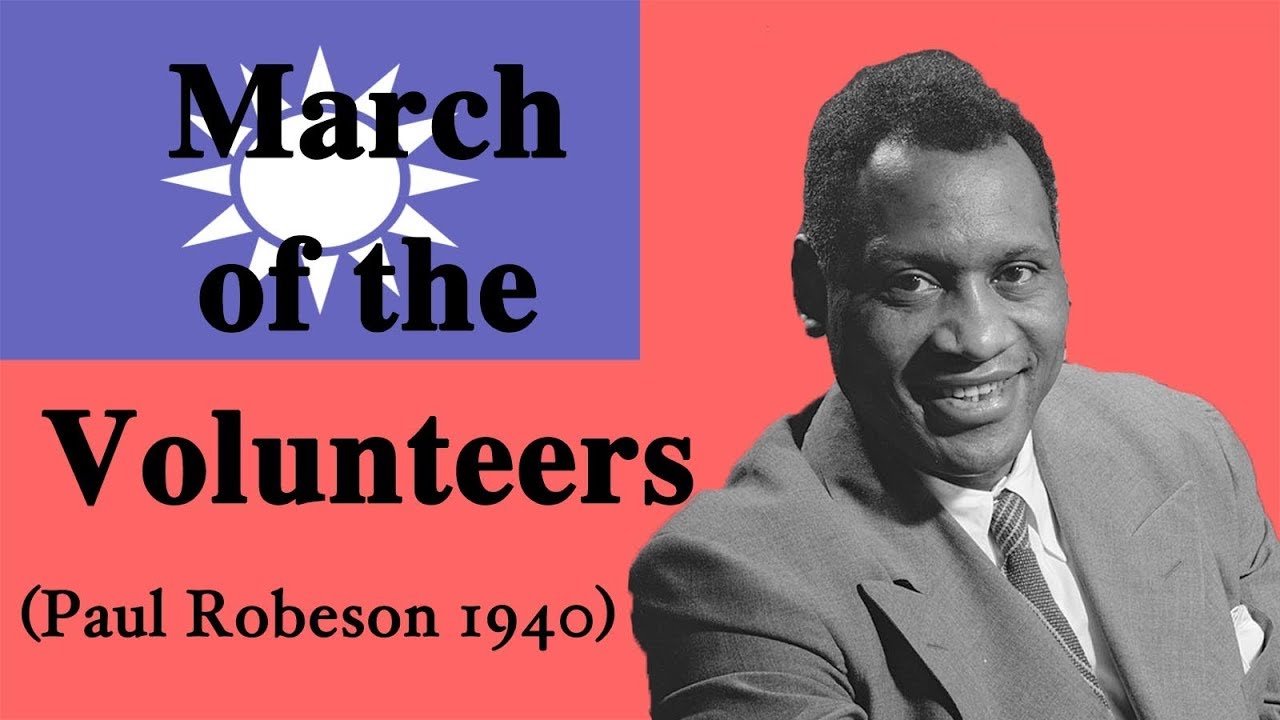
March of the Volunteers was recorded by Paul Robeson in 1940 in both English and Chinese, wonder if this 1944 movie used Paul’s version.
Sorry for the grave dig. I found both Mandarin and English versions of Paul Robeson’s version of March of the Volunteers.
Amazing Mandarin pronunciation.
So the PRC anthem started as the theme song for a patriotic anti-Japanese-invasion 1935 movie called Children of Troubled Times (風雲兒女).
It soon became a popular song in the ROC military, and since it was more upbeat, it was often used as background music in WW2 US propaganda films’ segments about the Chinese theater. Post-war the lyrics was changed to demand for immediate democratization, called March of Democracy. Both the original lyricist for March of the Volunteers and the lyricist for March of Democracy were left leaning intellectuals, and soon the CCP leveraged that to monopolize the interpretation of the song.
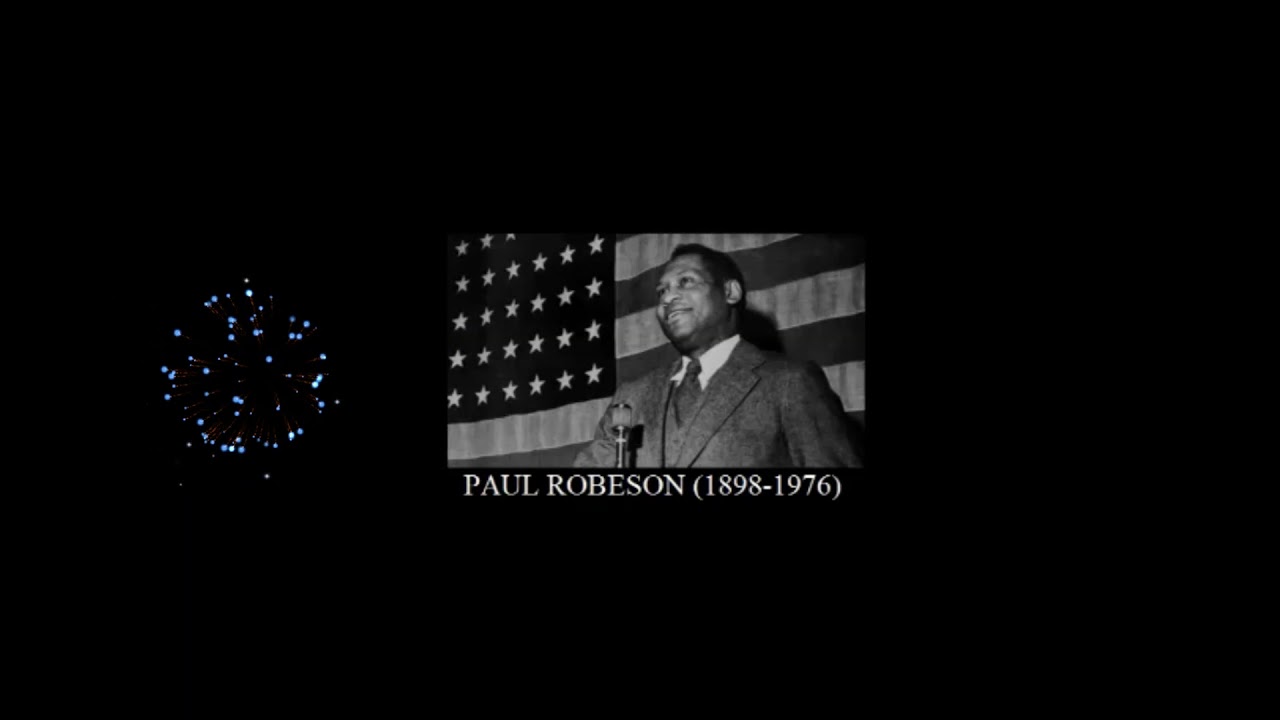
Paul Robeson’s Mandarin and English versions were recorded in 1940 after being introduced to the song by Liu Liangmo in New York. He translated the song with input from the original lyricist Tian Han, who also wrote the screenplay for Children of Troubled Times.
Paul Robeson’s English version of the song became one of the rallying songs for the civil rights movement. By then, Tian Han, once a left leaning intellectual, had been persecuted by the CCP and died in prison. Paul Robeson found a way to give all the proceeds generated from his versions of the song to Tian’s family.