Not really, there was an evolution of thought after natural law was shitcanned.
They all have interesting points, but few or none argue that rights do not come from laws made by the government.
Not really, there was an evolution of thought after natural law was shitcanned.
They all have interesting points, but few or none argue that rights do not come from laws made by the government.
Who raised natural law?
Btw, did you have one in mind?
Hobbes also said the “sovereign”could not make an illegal law.
Trump hit upon this sentiment a while ago and I was stunned. Did the Don know where it came from?? Or was it just monkeys bashing away the typewriter in his skull? 
In this conversation? @QuaSaShao was circling it or so I thought.
As did Nixon.
Must have been the monkeys, then. Nixon was quite well read.
Yeah that played well. lol
It may have even inspired a few folks to run for president!

that was fire
The debate, while not literally about Kirk, there isn’t a better place for it. it’s fitting
It articulates the core ideals of the U.S.A.
The Declaration of Independence is a document adopted by the Continental Congress on July 4, 1776, which formally declared that the thirteen American colonies were no longer under British rule and were free and independent states. It outlines the reasons for separation from Great Britain, including a list of grievances against King George III, and articulates the core ideals of the new nation, such as the concept of unalienable rights like life, liberty, and the pursuit of happiness.
If you watch the entire clip, Charlie is clearly being critical of DEI hiring policies, not of black people.
Again, he’s critical of affirmative action, not black people. And those people did come out and say they got their position because of affirmative action.
Facts aren’t racist.
That doesn’t even fit the definition of ‘racism’.
Fake news! Trump has clearly stated that the Declaration of Independence is about the civil war!
/s
ABC was just looking for anything to help pull the plug on Kimmel as quickly as possible. His show sucks. They simply seized the opportunity.
ABC is controlled by the CCP! Kimmel was getting too close to uncovering the truth about Beijings Forbidden City, so they had to get rid of him
Live by the sword, die by the sword.
As I mentioned previously, prior last week I didn’t know much about the guy and from what little I had seen I didn’t think that much of him either.
In fact, now, I quite like the guy. That and disgust towards the celebration and mocking that moved me enough to attend a nearby vigil the other night.
The crowd there was very diverse. The order of the service was speeches, prayer, Amazing Grace, and an open mic for tributes, including an impassioned one from a pastor from PNG and a (well received) hakka from two young Maori guys. There was a single protestor (white, of course) holding a placard suggesting we were “mourning a white supremacist”. At some point, someone triumphantly snatched his placard. Actually (due to the tone of the event) the reaction to that was pretty muted. Since the protester was alone he was not being belligerent. Best leave him be to display his ignorance.
The three main themes of the night were what the people there both associated with Charlie and what they believed his killing represented an attack on: A love for freedom of speech, Western civilisation, and God.
My point in relating all that is that people will see in him what they want to see: because his politics are abhorrent to you, you will associate with him all those awful things you believe he represented, as reinforced by the (cherrypicked, out of context) clips and quotes you have seen of him.
Likewise, people such as those who were mourning him the other night: they were not so concerned with those politics, or other controversial things (which they may or may not have agreed with). Or they were minor compared to the other aspects of his work and personality, which were far more significant to them. They will either look past those things or justify them (or read them in context…), and either way, the positive aspects they see are much more significant to them.
In watching 30 second ragebait clips you do not get to see a man’s true character, nor their humanity. You only create the image of him in your mind that you or someone else wants you to see.
Then it is not difficult to feel little remorse if not pleasure in his murder.
I don’t mean to be replying to you specifically with all that but your post felt like a good spot to go off for what I’ve had on my mind.
A love for freedom of speech, Western civilisation, and God.
Two out of three ain’t bad. Which one is most important to you?
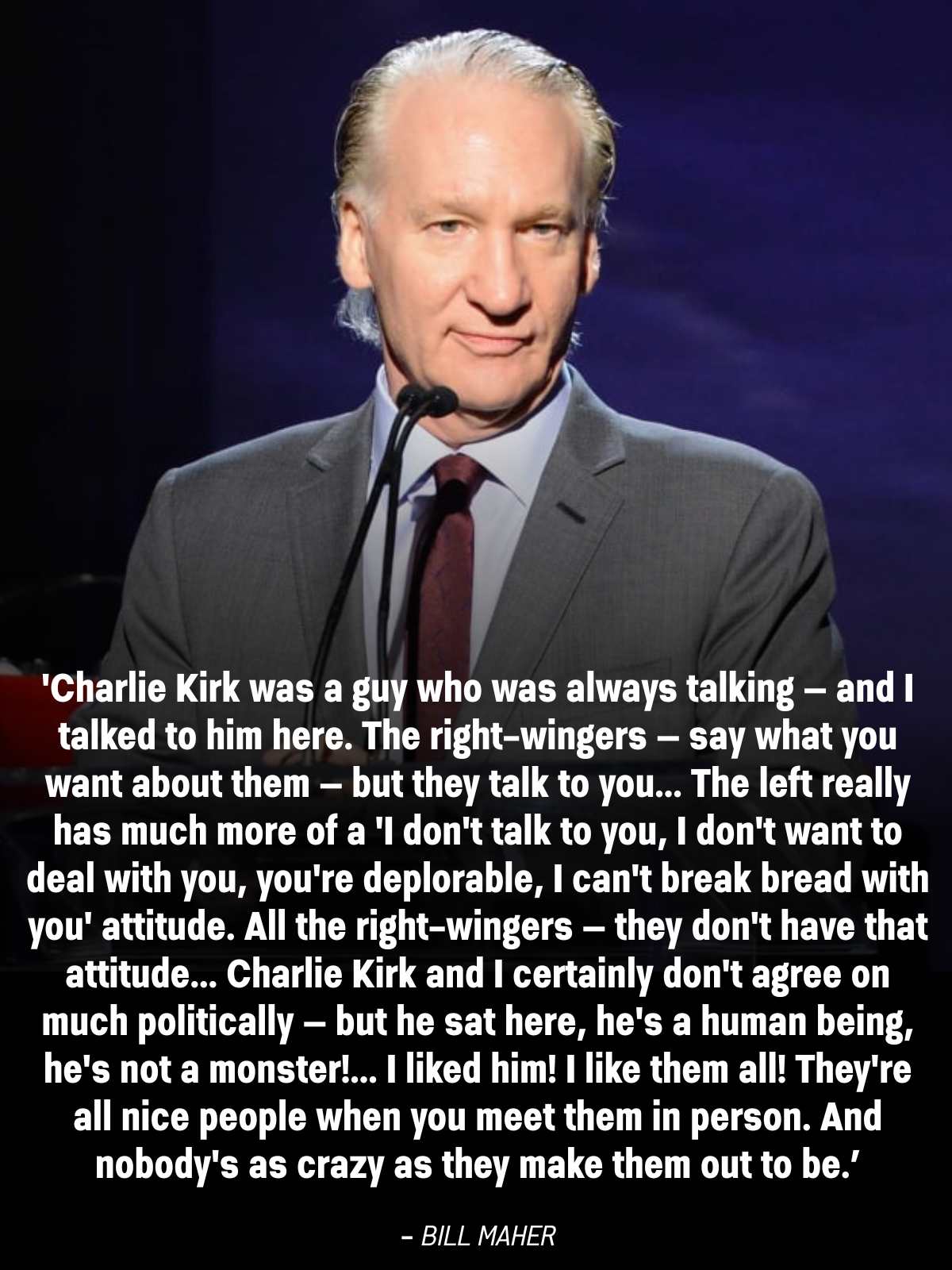
I’d never watched him before his death. Afterwards, I watched a few things: the podcast with Bill Maher, the debates at UCSD, the ones at UT Knoxville, and a few other clips from his own YT channel.
He was mostly polite and fair yet had little room for context or nuance. When matched evenly, which was rare, he wouldn’t listen as well. Like a member here described, he was a bit of a bully debater and didn’t do him any favors. Actually it did, but anyways. Kinda like a chatroom in the real world. That said, fun to watch and I think most appreciated him being there.
I can’t speak to the podcast or radio show, which I imagine angered people more than the debates.
To me? Hah, tough question
Considering myself a man of faith I feel a duty to take option c