All that work to land a job at Taiwan’s top international school and he throws it away over a cat tranquilizer.
10+ years in Taiwan with APRC and family.
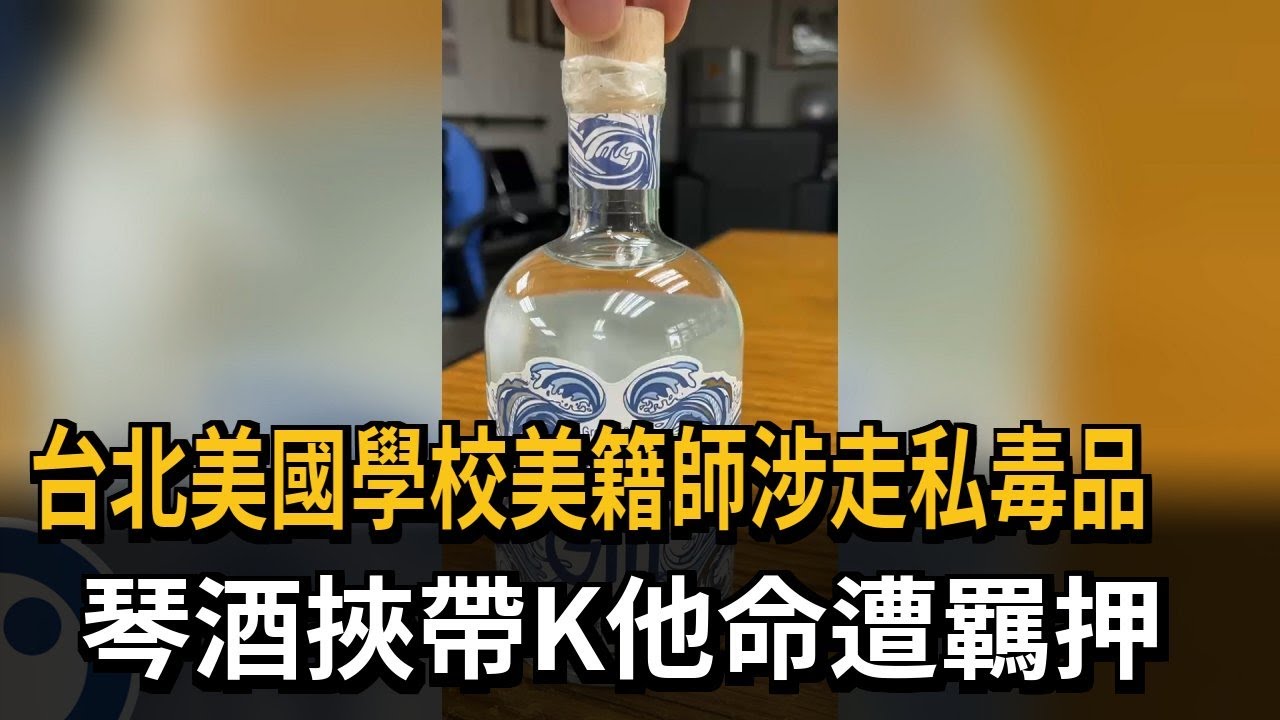
Works as a teacher at TAS and he smuggles drugs … 
or in other words
Likely will be deported after serving time in prison.
Hardly sad. Just a dumbass. Don’t do drugs, kids, or something like that.
As sentencing and conviction has not yet taken place, I cannot comment. However, deportation is highly likely. Whether and when he might be permitted to return will depend on the duration of his sentence and any other applicable legal grounds.
If you are sentenced to more than a year will usually receive deportation by NIA even though there are few exceptions.
According to Taiwanese court records and local news reports from his late-June transfer hearing, the judge did not just deny his bail, but specifically ordered him to be held incommunicado (羈押禁見).
Under Taiwan’s Criminal Procedure Code, an incommunicado detention order means:
-
No Visitation: Family members, friends, and the general public are strictly prohibited from visiting him.
-
No Communication: He cannot make phone calls, and he is prohibited from sending or receiving letters.
-
Lawyers Only: The only people legally permitted to visit and speak with him right now are his officially retained defense attorneys.
I was also held in incommunicado detention previously. However, he still has the chance to apply for bail as the case progresses on. After 3 months he will go to trial and the judge shall decide whether to extend his detention, maintain the incommunicado order or release him or let him post bail. He case is still at a preliminary stage.
They generally go softer with foreigners with family, so the time spent before reentering may be reduced.
Actually it is not publicly confirmed if he has family in Taiwan.
During his bail hearing, both he and his lawyer stated that his “family and property” are in Taiwan. However, it was not clarified whether he was referring to a spouse and children, or if he was simply using the term to describe his close personal ties and long-term residency in the country.
His parents live in the USA.
All depends on the judge.
For serious crimes, bail is usually denied regardless of whether the suspect is a a Taiwanese citizen or a foreigner, and regardless of where his family lives. For example, bail is rarely granted for murder. Drug offence that carry sentences up to 10 years to life and if the specific judge strongly disapprove of drug crimes he may not grant bail. Taiwan’s judicial system if driven by discretionary evaluation of evidence, I’ve been through this system and I do understand how it works. However he may still have a chance of bail if after investigation circumstances of the case are found to be less serious than the charge.
You have more experience than I do about this.
He will likely face a prison sentence in the 3 to 5-year range, followed by mandatory deportation once the term is served.
Everyone is innocent until proven guilty.

during his court appearance when the case was transferred, James … confessed to the offense, stated that he had already repented
Even if he has confessed, haven’t been tried or sentenced yet. While I am not saying he will necessarily walk free, there are cases where defendants are acquitted. Therefore, legally speaking, he is still a suspect rather than a convicted criminal.
Technically, of course. Realistically, a lighter sentence because of the confession which presumably was on legal advice.
Sure about that. Fighting a drug smuggling charge in Taiwan is very difficult compared to the United States. While the U.S. justice system requires the prosecution to prove guilt beyond a reasonable doubt often undermined by a broken chain of evidence, for example if he didn’t sign the package, or no incriminating text messages on his phone, Taiwan operates under a different legal framework.
In Taiwan, cases rely heavily on circumstantial and discretionary evidence. Simply inquiring a suspicious package can be treated as highly incriminating. Losing a trial carries a severe sentence up to 10-15 years, he may choose to plead guilty rather than risk fighting the case.
Same rule applies to guns and other kinds of contraband smuggling.
As I said, you know a lot more than I do.
Well I had been through the legal justice system for a long time. I’ve fought the law and I’ve lost.