Hi Taiwaners!
Forgive me for asking a rather tired question, I know this comes up all the time, but I can’t seem to find answers relevant to my particular situation.
I’ve been in Taiwan to study Mandarin for about four months now. I’ll finally be able to get my work permit sooner than later, and it is my understanding that ESL jobs are hands down the best and easiest way for a laowai like myself to earn a stable income.
The problem is that I’m still in the final year of finishing my bachelor’s degree (linguistics) remotely, and I’ll wind up having a work permit before I graduate.
All the info I’ve seen so far highly recommends finishing a bachelor’s before coming to the island to teach, not only because a bachelor’s is required by law, but also because even if I were willing to break the rules (which to be VERY clear, I’m not), I probably wouldn’t be able to get good work without one.
That said, alot of the sources I get that information from comes from before the COVID pandemic, and now that I’m on the ground, the impression that I get is that demand for native-speakers is high enough that lots of places will hire less-qualified teachers under the table. Furthermore, as much as I realize this makes me sound like an asshole, I also hear it helps to be a white American, which I am.
I also have a scholarship to be here, so my rent, and most of my food expenses are taken care of. With that in mind, it’s not like I need the most glamorous, high-paying ESL position out there. I’m really just wanting to make sure that I have more money than I need, and that I don’t financially stagnate whilst here.
In short, with the economy, government-supplied stipends, and cultural attitudes toward foreigners all on my side, the only reason I can think of not to get into ESL is the legality of it.
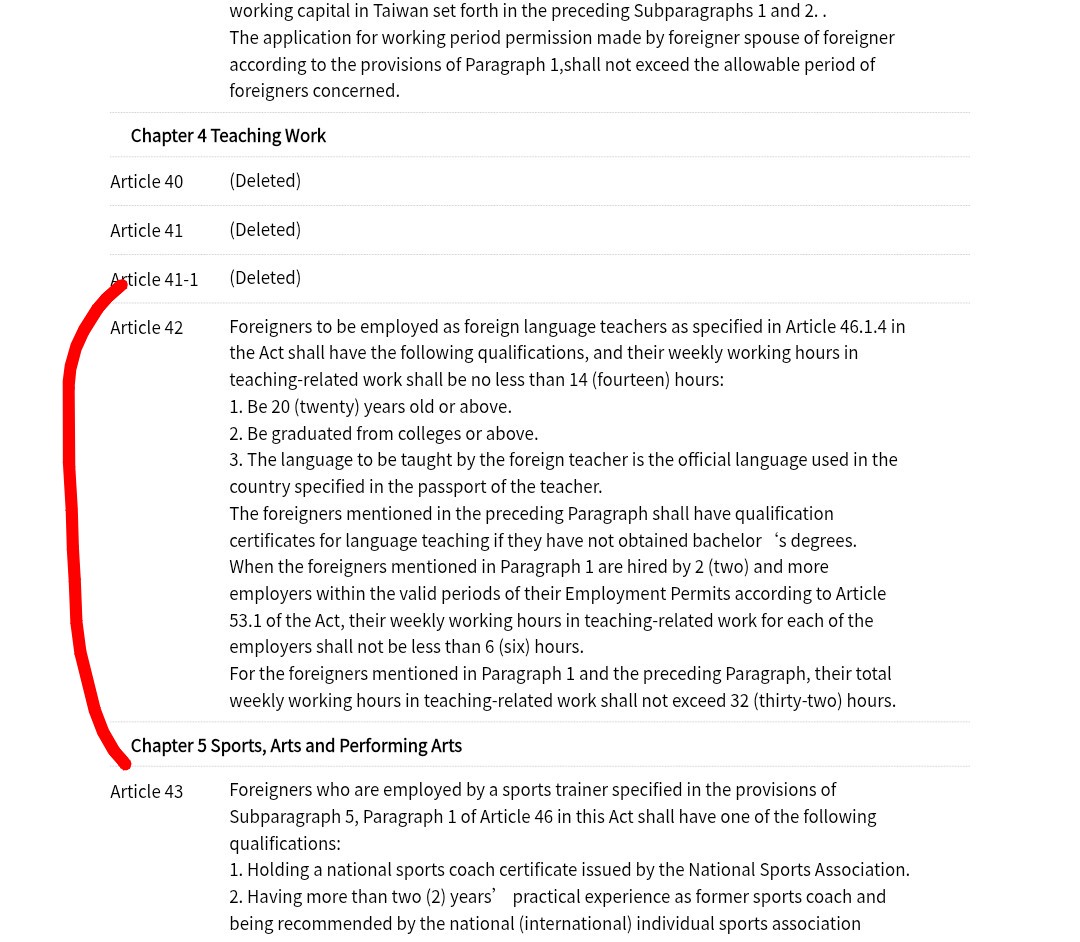
I’ve seen conflicting reports on whether it’s legal to teach with an associate’s-TEFL combo, but I have an associate’s, and I’m told you can get TEFL certified in something like, 50 hours.
So my question comes down to whether it is actually LEGAL to teach ESL with an associate’s+TEFL. All the other reasons I’ve heard why teaching without a bachelor’s is a bad idea, aside from just actually getting deported, don’t seem to apply to my situation. I figure as long as nobody’s going to put me in cuffs, I might add well go for it.
Could anyone explain to me the actual legal nuances of how associates-taught ESL works, and whether it’s an option for me?
Thank you!