It’s a well known fact that sailors from Taiwan went to Penghu and brought back basalt rocks from Penghu for building materials. They also traded gold and jade ware made in Taiwan to the Philippines, Vietnam and other parts of Southeast Asia.
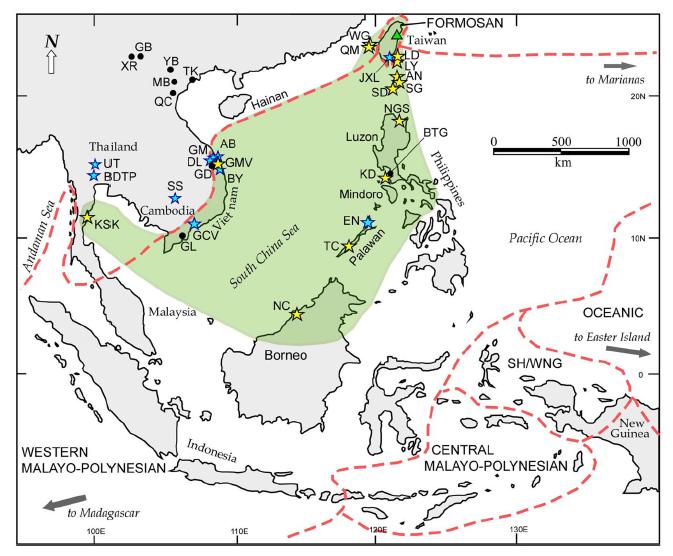
A 2007 study, Ancient jades map 3,000 years of prehistoric exchange in Southeast Asia, by Hsiao-chun Hung of the Australian National University shown that over 116 prehistoric jade ware housed in museums all over South East Asia have origins in Taiwan.
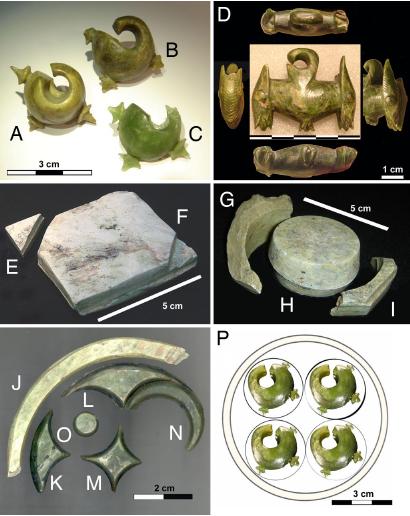
Hung embarked on this journey of hunting down prehistoric jade ware in 2001, after coming across a jade earring in the National Museum of the Philippines, and noticed the incredible similarity of the earring to those found in Taidong’s Puyuma archeological site.
The jade wares went through an electron micro probe analyzer to figure out its composition and determine their origins.
The spread of Taiwan’s jade began as late as 4000 years ago, as shown by jade ware found in the Philippines. Then by 3000 years ago, jade ware from Taiwan made their way to much of the South East Asia, including Vietnam, Thailand and Malaysia.