We used to use the roman alphabet to write before adopting Hanji. And we were bilingual. This part of our history is becoming well known in recent years. Those who are interested can google search using the keywords 新港文 (en.wikipedia.org/wiki/Sinckan_Manuscripts )
Looking at the footnote, we can see the English translation. This print is actually trilingual. The Dutch is printed in blackletter, the Sinkan and the English is in legible roman (again, very kind of the printer).
Where is the rest of this book? Maybe it’s in the Netherlands?
The "alak in “ka na alak to David, ka na alak ti Abraham” means child or junior. In Sirayan societies today, Alak means junior male priest. It shares the proto-austronesian root word for child *aNak with many other Austronesian languages, such as Indonesian “anak”, Tagalog “anák”, Kapampangan “anák”,
If you recall the terrible mud-slide that happened to 小林村 Xiaolin village in Kaohsiung back in 2009, the village was mostly Sirayan. Most of its languages are restricted to specific religious use. They belonged to the Taivuan village (大武壟社) of the Sirayan tribe, and were forced relocated to Xiaolin by the Japanese. Before that they lived around present day Tainan and Kaohsiung.
Holy crap, this thread was last commented on 10 years ago…
Anyway… This video belongs here.
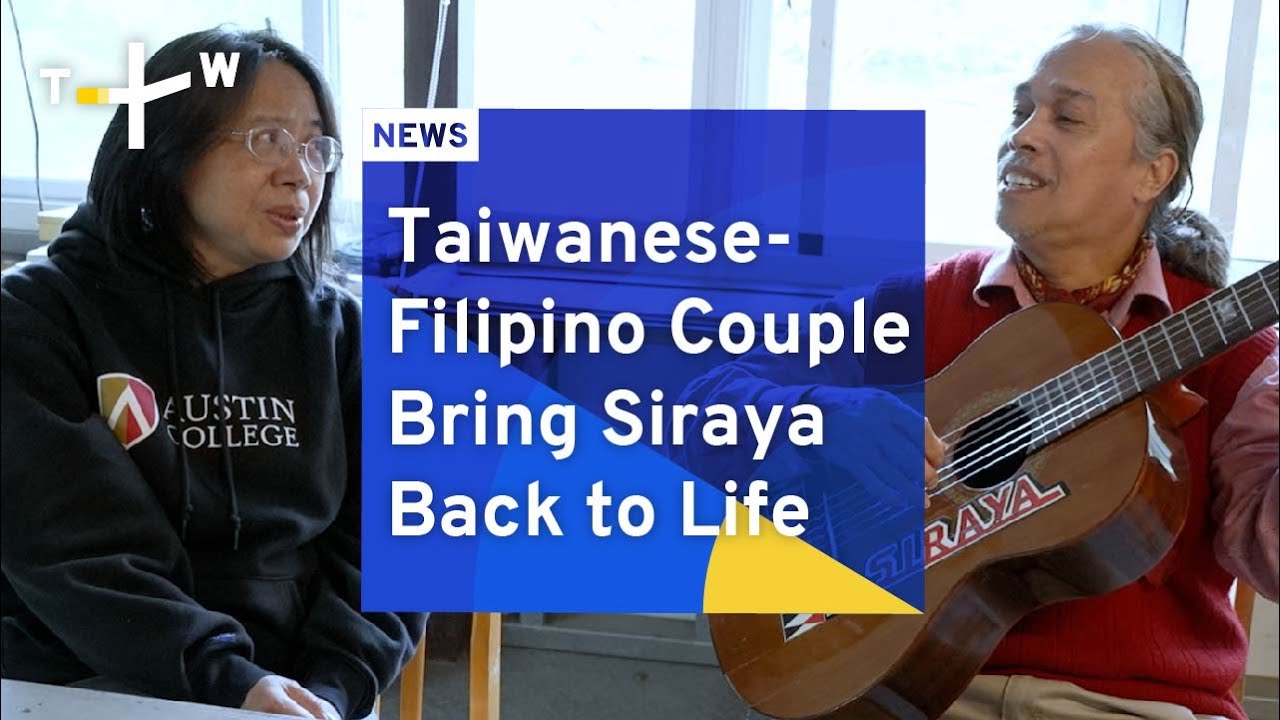
The video is about Edgar Macapili, a Visayans, married to a Sirayan in Taiwan, came across the Dutch-Sirayan bilingual Bible, and was amazed how much he can understand it. He then devoted himself to the Sirayan revival effort.
We need other reports too on the court decision to state that the national government cannot not recognize Siraya people as Indigenous (the Tainan government already does). When will the Legislative Yuan comply with this court ruling?
Amazing how much change a few people dedicating their lives to a cause would bring. If they do manage to revive the Sirayan language, it’d be more miraculous than the Hebrew revival.