https://thebookerprizes.com/the-booker-library/features/everything-you-need-to-know-about-taiwan-travelogue-international-booker-prize-2026-winner
Taiwan Travelogue by Taiwanese author Yáng Shuang-zi (translated by Lin King) has won the 2026 International Booker Prize.
The novel is set in 1930s colonial Taiwan and follows a Japanese author named Aoyama and her Taiwanese interpreter Chizuru on a government-sponsored tour of the island. It’s a love story, but one that keeps the power imbalance of the colonial relationship front and center — Chizuru is described by the judges as “enchanting, yet unknowable,” resisting her companion’s attempts to see past the professional mask she maintains.
What sounds particularly interesting is the metafictional layer: the book uses introductions, footnotes, and afterwords to reflect on its own journey into English, including the complexities of translation itself. The judges called it “slyly sophisticated” and said it pulls off the double feat of working as both a romance and a postcolonial novel.
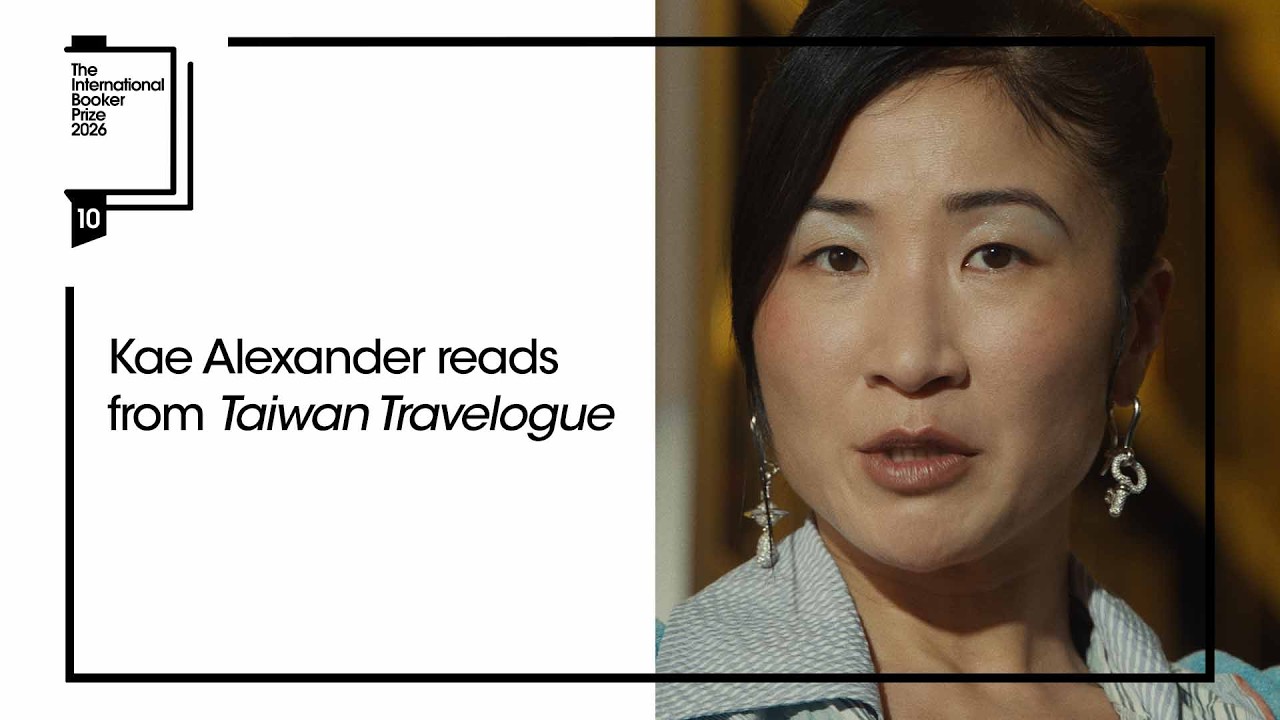
Taiwan Travelogue” became the first book in Mandarin to win the International Booker Prize in 2026. Translator Lin King sat down with [TaiwanPlus] to discuss the complexities in translating Taiwanese food, the lasting impacts of Japanese colonization, and her personal connections to this fictionalized account of a Japanese writer’s tour through colonial Taiwan.
You can get your own copy of the book using my Amazon affiliate link: Amazon.com: Taiwan Travelogue: A Novel: 9781644453155: Yang, Shuang-zi: Books
I was able to attend this talk last December and have my copy of the book signed by the author and the translator 
https://www.tas.edu.tw/community/news/story/~board/tas-news/post/exploring-taiwans-many-stories-taiwan-travelogue-author-and-tas-alum-translator-visit-tas
The Guardian says Taiwan Travelogue creates “a synaesthesia of taste, texture and longing,” which is the sort of phrase that gives me alarming flashbacks of lit-crit readings in grad school. But that’s on the Guardian; it’s not a quote from the book.
OTOH, I am a big fan of seeing the author’s name written with tone marks (Yáng Shuāng-zǐ), not just on the dust jacket but in a lot of the press about the book. I do have a copy now, having succumbed a little while ago to what I call “cool bookstore syndrome,” in which every book looks better and more interesting for being spotted for sale in an interesting space. So I suppose I’ll give the novel a try eventually. 
I could have sent you my unfinished copy .
Yeah, I should have thought of that. Just as I should have remembered that this might well be a book full of feelings and words like “palimpsest” used with extreme metaphorical earnestness. (Just a guess.) But I thought that maybe, after having spent a full decade reading mainly books about Taiwan and East Asia, it might be time to revisit something about this part of the world.
Truly, one must beware cool-looking bookstores. 
4/5 Mostly based on plot and story creativity
I almost DNF a couple times but glad I finished because it does come together.
Wrote down a lot of notes, thoughts, critiques. Not sharing because will impact the whole unique concept and story.
Do some research before reading.
Structurally and thematically, it is a unique piece of metafiction that functions on multiple levels.
Good read for those familiar with Taiwan, connected the old terms and locations with the new.
Since that is mentioned I’ll describe my impression on that point.
To me it was one-sided to the point of being creepy almost predatory. Class status differences and pseudo-employee vs employer differences. But these do play into the plot.
My cousin got me this. It has a plastic wrapper like it can only come from Taiwan.