Interesting bit of trivia, there’s a temple in Tainan dedicated to a WW2 Japanese pilot who lost his life during the war.
I hear they play the Japanese national anthem regularly.
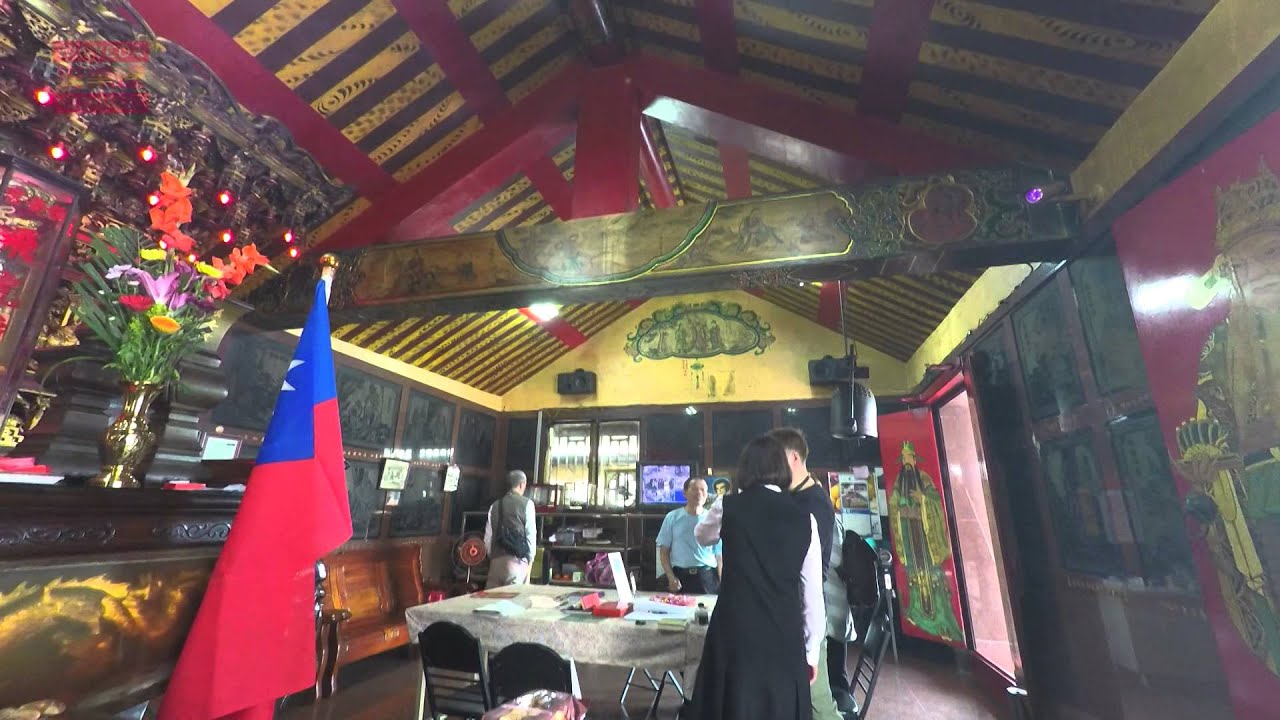
Interesting bit of trivia, there’s a temple in Tainan dedicated to a WW2 Japanese pilot who lost his life during the war.
I hear they play the Japanese national anthem regularly.
This is an interesting and rather scholarly look at Ichigo and the overall war, I’ll have to watch more of these guys’ videos
Don’t know what kind of “scholars” they are, but the map that’s on display the whole time shows “Mongolia” in the upper righthand corner when it should be Manchuria.
Ha, good point. They may or may not be “scholars”, but their work is definitely a couple of cuts above the typical Youtube video.
That’s interesting. There must be a reason for that, because they wouldn’t make such a basic error. Was it Japanese maps during WW2?
Inner Mongolia covers part of it, but it’s not right. Very odd. There must be a reason.
I’ve only done a cursory search, but was inner Mongolia a puppet state of Japan during WW2? This included Manchuria.
I think it’s just an error. It was Manchukuo at the time
It’s an odd error to make.
They say in the comments
Note on the map:
I know it is geographically challenged in parts. I wanted to use one from Hans van de Ven’s book, but that might have brought up usage/copyright issues so we had to go with the open source wiki map. It does the job, but with a few bizarre errors.
Yeah they pulled it from here
Just to show how weird WW2 was I’ve been watching some German defence battles during Operation Bagration. There were hardly any Germans involved presumably due to lack of manpower.
Dutch battalions, Danish, Ukrainian ,Norwegian…
The last battalion that held out to the last man at Hitler’s bunker were French.
The Chinese have always made fun of the fact that Japan said it could conquer all of China in 3 months, and yet they didn’t manage to do so over 8 years.
However, Ichi-go demonstrated that Japan probably didn’t steam roll over China because it had other priorities, and not because it lacked the capability to do so.
Ichi-go aimed to establish a overland route to supply Japan with South East Asian materials, and the IJA completed the task in 8 month. They didn’t need that route prior to 1944, so the Japanese probably deemed occupying those Chinese territories as a waste of resources. If they were winning in the Pacific, they could get those land whenever they want.
I read Taiwanese were not trusted by Japan to send them to fight against the Chinese
That just seems like common sense. There were other theaters where that wouldn’t have been an issue.
I don’t think that statement is entirely true. I don’t think the Japanese trusted them enough to send Taiwanese armies en masse to China, however, they did send a considerable amount of Taiwanese troops to China. Many of them were stranded in China post war, often forced to fight for the KMT or CCP. Most of those who helped the CCP would never see Taiwan again. Many Taiwanese were “volunteered” to fight in the Korean war, and a few of those captured by the Americans made it back to Taiwan.

Youtube just recommended me this video. It’s a Taigi announcement of President Truman’s speech after Japan’s surrender broadcasted by the Voice of America. I say it’s Taigi, and not Amoy because the dude clearly is from Taiwan. It doesn’t sound Amoy to me. I understand why they would say it’s the Amoy accent, it’s pretty much just another way of calling the collection of Tsuan-Tsiang accents, and Amoy was prestige accent.
The Taigi announcer made one mistake when he mentioned MacArthur had been named the Supreme Allied Commander. The script said 統帥 thóng-suè, and he read it as 統師 thóng-su.
@3:47 When he said 1945 he also didn’t follow the convention we are used to today. We would say it-kiú-sù-ngó nî, with all the numbers in the literary reading. However, he said it-káu-sì-gōo nî, with 9, 4, and 5 in colloquial reading.
I’ve stumbled on a few, wondered why there were defensive positions on basically every hill in town, even when away from the ocean. I guess it was to slow any advance
See Battle of Okinawa codenamed Operation Iceberg.
Hey, my father-in-law was with the Taksago Volunteers in the Philippines; he wore his Japanese forage cap every day (around the house, not so much outside). He didn’t talk about it much, I suspect because of war crimes that might have been committed.
I caught the tail of a news piece about Taiwanese soldiers sent to fight in Russia/sent to Siberia after the war/able to speak Russian. Some came back and had a hard time. The researcher said he was making it his life’s mission to find out the truth about what happened to those soldiers.