Like a lot of names, its translated on sounds, trying to make it easier for non local. You listed " as dǐng" , I tried use translate DING come out some other word and speak dǐng as in Ding Dong, I do think DIN is closer to the sound.
What bothers me more why westerners call the the supermarket PX when it has a real Taiwanese name ? As Japanese I always think PX, is the American hypermart on the base? (Most Taiwanese do not know it’s PX mart haha)
Yeah, same kind of thing, so I guess it’s just the usual non-standard use/mixture of romanization systems. It doesn’t really matter, of course, I was just a bit curious.
Speaking of the Restaurant Chain … they had several in Australia, but i notice that they have been rebranded over the past few years. Seems the franchise holder had been forcing staff to repay some wages (they got the award wage, but some was clawed back). The franchise owner was heavily fined - similar happened with 7-11 a couple of years before.
Not the brands fault in either case, just a greedy franchise owner who had decided he wanted a greater profit margin. There are probably others, but sadly it needs workers to speak out, probably get sacked for doing so, and have to wait for the court to order the differences repaid.
I just saw one the other day, an ad for Maokong that says 走靜貓空. It’s supposed to be a play on words: 靜 and 進. But actually these two characters have different pronunciations: jing and jin. Pity that these sounds can’t be distinguished in the Taiwanese ear.
Most Taiwanese people can distinguish -in and -iŋ just fine. The literary reading of 靜 tsing and 進 tsin sound different in Taigi.
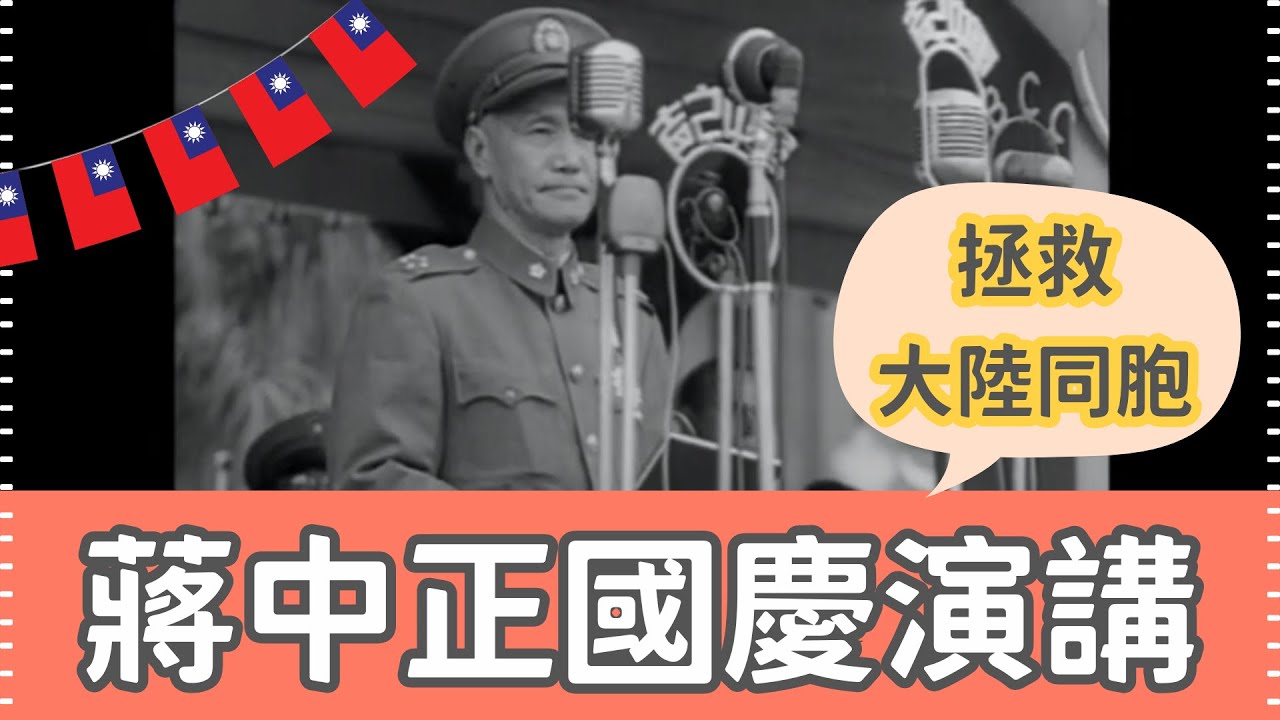
It’s those Zhejiang refugees who got teaching jobs in schools teaching Taiwanese to speak “Mandarin”, with the only qualification being they were from CKS’ home province, who couldn’t tell the difference.
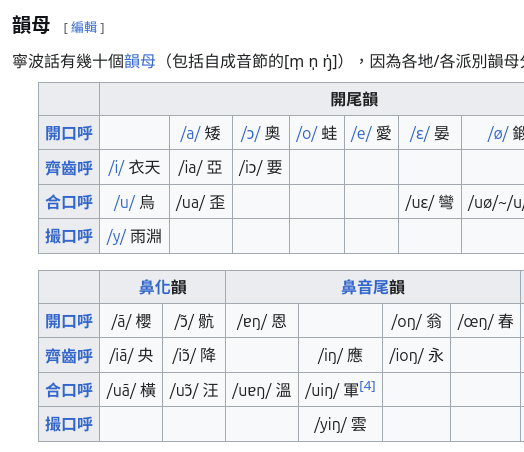
The most spoken language in Zhejiang is Ningpo. Let’s see…