I came across a pretty amazing youtube channel that gives people a flavor of many reconstructed and obscure/dead languages.
The owner of the channel is obviously Japanese, and he focuses mostly on Asian languages. The one that caught my attention first was the Kyowa-go video.
Kyowa-go (協和語) was a pidgin language developed in Manchuria after 20 years of effective Japanese control. I knew the existance of Kyowa-go and was fascinated that there’s a video to approximate the sound of Kyowa-go. Despite the sad circumstances that gave rise to this pidgin, the language itself is freaking awesome.
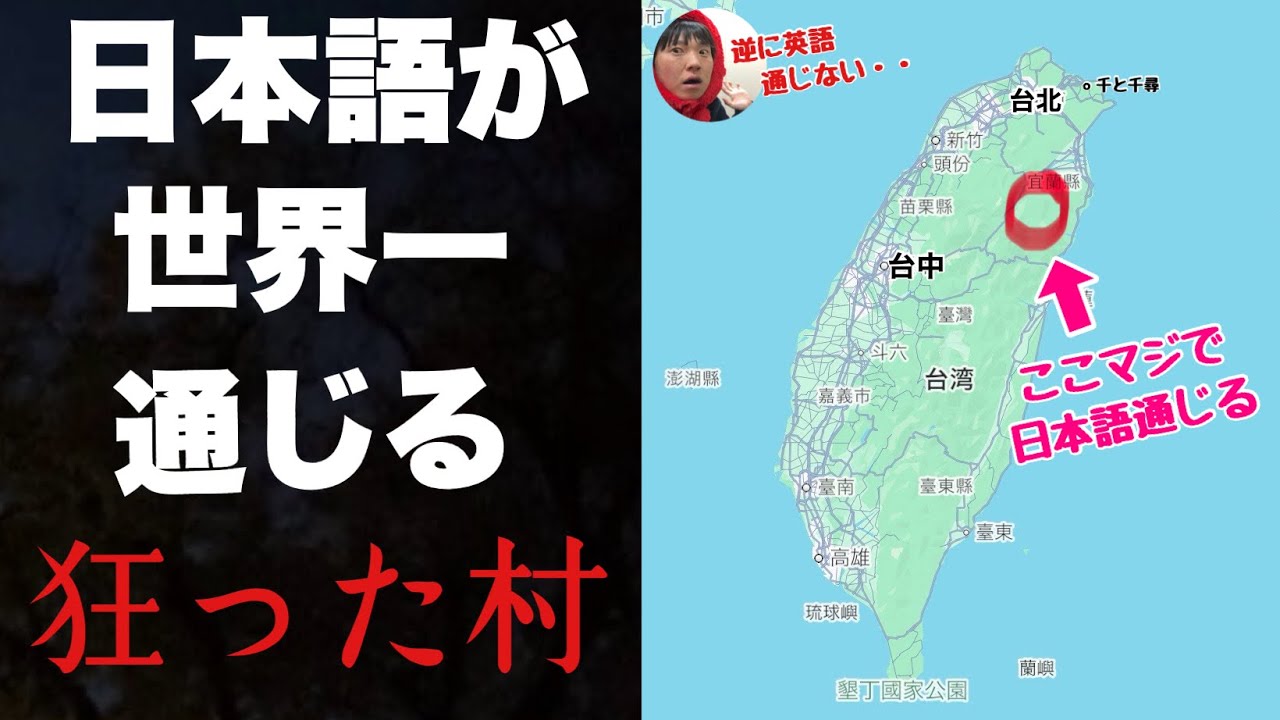
Then I saw the Yilan Creole video, which is supposed to be a Atayal-Japanese creole. The Altayal is said to be from 寒溪語, which technically wouldn’t be categorized as Altayal today, and should be Seediq Tuuda instead.
I did not know such language existed. I’m geeking out, maybe someone would find it very cool as well.
Thank you for posting this, this is easily the coolest thing I’ve read/heard all week (maybe all month). It says on Wikipedia this was discovered in 2006, I wonder if there were other pidgins or creoles with aboriginal languages elsewhere that are gone now and we never knew about.
I just found time to watch it after spending a couple of days in Japan. Hearing these Seediq/Atayal people saying samui in their daily sppech is so adorable.
All these outsiders entering (as colonialists) into Indigenous peoples’ lives. The language use of these Indigenous elders is a glimpse into this history.
Along with samui! (Japanese for "[It’s] cold!), also note the use of the word amakutsu in Laha Mebow’s brilliant film Finding Sayun, set in a Klesan Atayal community in Yilan. This word refers to “rain boots” where “ama” (ame, meaning rain in Japanese) and “kutsu” (meaning shoes in Japanese) come together in a convenient package.
The host, Umav, of this podcast is half Bunun and half Kangke (Stacis/寒溪). This episode Umav interviews her mom, who is fluent in Kangke no ge (Yolanda creole).
The podcast is mostly in Mandarin, but there are full sentences of Kangke no ge used here and there.
Don’t know where this is from. Looks like a TV drama or something.
The dialogue is in Yilan creole. The mom asks have you finished tidying up your room, and the girl replies in a minute, and the mom says you aren’t still playing, are you? The girls giggles, and the mom knocks on the door telling the girl to come out this instant.