Are foreigners who live and work in Taiwan entitled to a pension? From the little I know the monthly pension in Taiwan doesn’t really cover what the average retiree needs to live on.
I was watching a few of the foreign YouTubers living in Taiwan and many of them seem to live off their YouTube earnings. This got me wondering how they they are planning for their retirement and if they are entitled to a pension in Taiwan.
From what I hear not many are opting to have children these days. I can imagine a very bleak future for Taiwan where there will be a disproportionate number of elderly who need to be taken care of and very few young ones to do so.
Times are changing and Taiwan is mostly ignoring this massive problem.
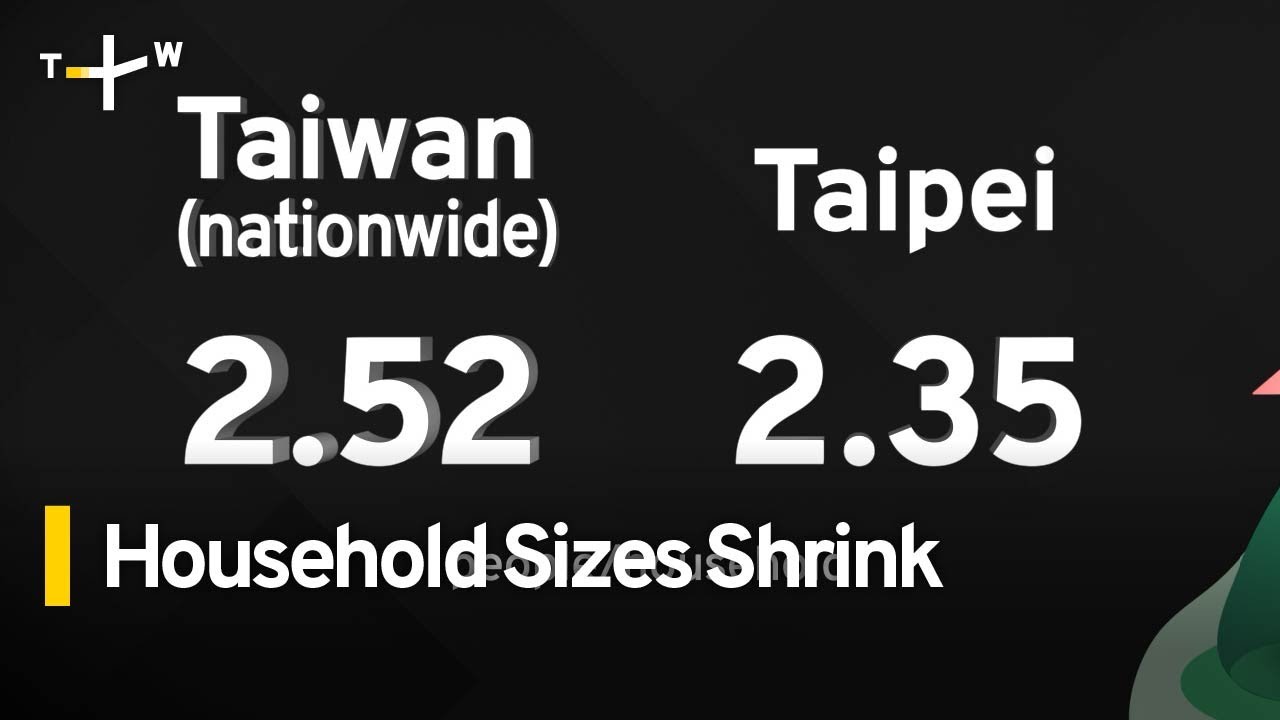
The average number of people living in one household has hit a record low in Taiwan at 2.52 as more young people choose to leave home and perhaps not have children of their own. Meanwhile, an increasing number of senior citizens find themselves living alone, creating massive demand for long-term care.
It will be increasingly difficult to find a spot in an elderly home and prices will surge on huge demand.
Saving money, own house and family are the things one can personally arrange to prepare for a good time after retirement.
There’s plenty of underutilized labor in the Tropics and Southern Hemisphere. I can imagine a way for that labor to telecommute to where the jobs are in the future using 5G and 6G network technology.
Labor shortage is getting to be a big problem in most developed countries, it’s likely why automation is even a thing. Without this, there won’t be enough people who can get things done.
We’d all starve to death if we were depending on manual labor to farm stuff, without combine tractors and mechanized farming. It used to be nearly everyone farmed what they ate, now very few do that.
This is assuming that real estate price still goes up and up, and that the government doesn’t try to price people out of their homes by increasing property taxes.
Yes foreigners who live and work in Taiwan are entitled to a pension.
The first step to understanding this system is to understand what the Taiwanese government thinks is enough. According to Taiwan’s taxpayer bill of rights, the amount of money you need for basic needs to live with dignity is 60% of the median per capita disposable income.
In 2023, the median disposable income per month was NT$ 28,070. 60% of that is NT$ 16,833.
In other words, the Taiwanese government makes provision for us but expects us to live very frugally if we are unable to save more money to provide for luxuries.
The foundational benefit comes from the labor insurance program and is called the ‘old age payment’ benefit (勞保老年給付).
The amount you get varies depending on seniority and insured salary (not same as received salary). Currently the average retired worker receives about NT$18,800/month.
If you turned 65 this year, had 30 years in the system, and 60 months at the current maximum insured salary of NT$45,800, you would get about NT$24,000/month.
But if you become a permanent resident or a spouse, that’s not all. Let’s say you became a permanent resident after five years. You make NT$60,000 per month so your employer must contribute NT$ 3,600 (6%). You are virtuous person who understands the benefits of making your own maximum contribution of 6%. Let’s assume the new pension fund makes 3% a year. You’ll end up with another $ 2 million in savings for retirement. If you drip that until you are 85, you should have another NT$8,000 per month (maybe very slightly more because your diminishing principal will still be getting a return).
So, if you live and work in Taiwan for 30 years, you should probably end up with around NT$32,000 per month.
That’s about half of what many people get in social security in the US, so it kind of makes sense since the US is a lot more expensive than Taiwan at the moment.
Anything beyond that you will have to save up and invest yourself if you want to have more spending money or have options when the inevitable medical emergencies come along.
Another fun example of how much Taiwan thinks is enough is this case involving a Dr. Huang who is involved in a huge fraud scheme and owes NT$70 million in taxes. The courts have entered an order against him limiting him to spending NT$24,000 per month.
In divorce cases, the courts will often set child support costs as around the same amount and order each parent to contribute NT$12-15k.