Aka A Supposedly Fun Thing I’ll Never Do Again. Fucking brilliant fun to read. I couldn’t disagree more with Qbert on the topic of DFW, but I guess that’s what’s nice about art.
2 Likes
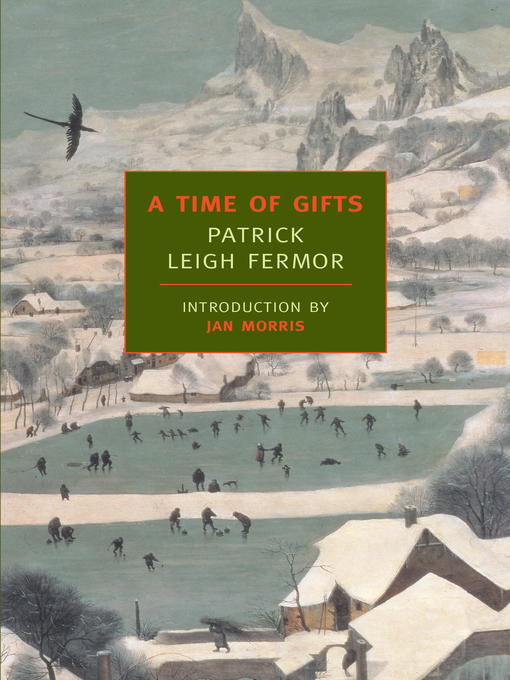
Millions of young people take a year off backpacking all over Euope today, but when an 18 year old Fermor embarked on the journey from London to Constantinople in 1933, the idea of ‘finding yourself’ ‘on the road’ was still a novel one - only hobos tramped around the country aimlessly in those days. The network of hostels and other such amenities wasn’t in place at the time, so young Patrick has to rely a lot on the kindness of strangers. I’m only on Ch. 2, “Up the Rhine”; his first-hand account of encountering the strange sights of a newly Nazified Germany are fascinating reportage. Of course he wrote his memoirs in 1977, so he probably makes more of a big deal of the ominous signs given 20/20 retrospect.
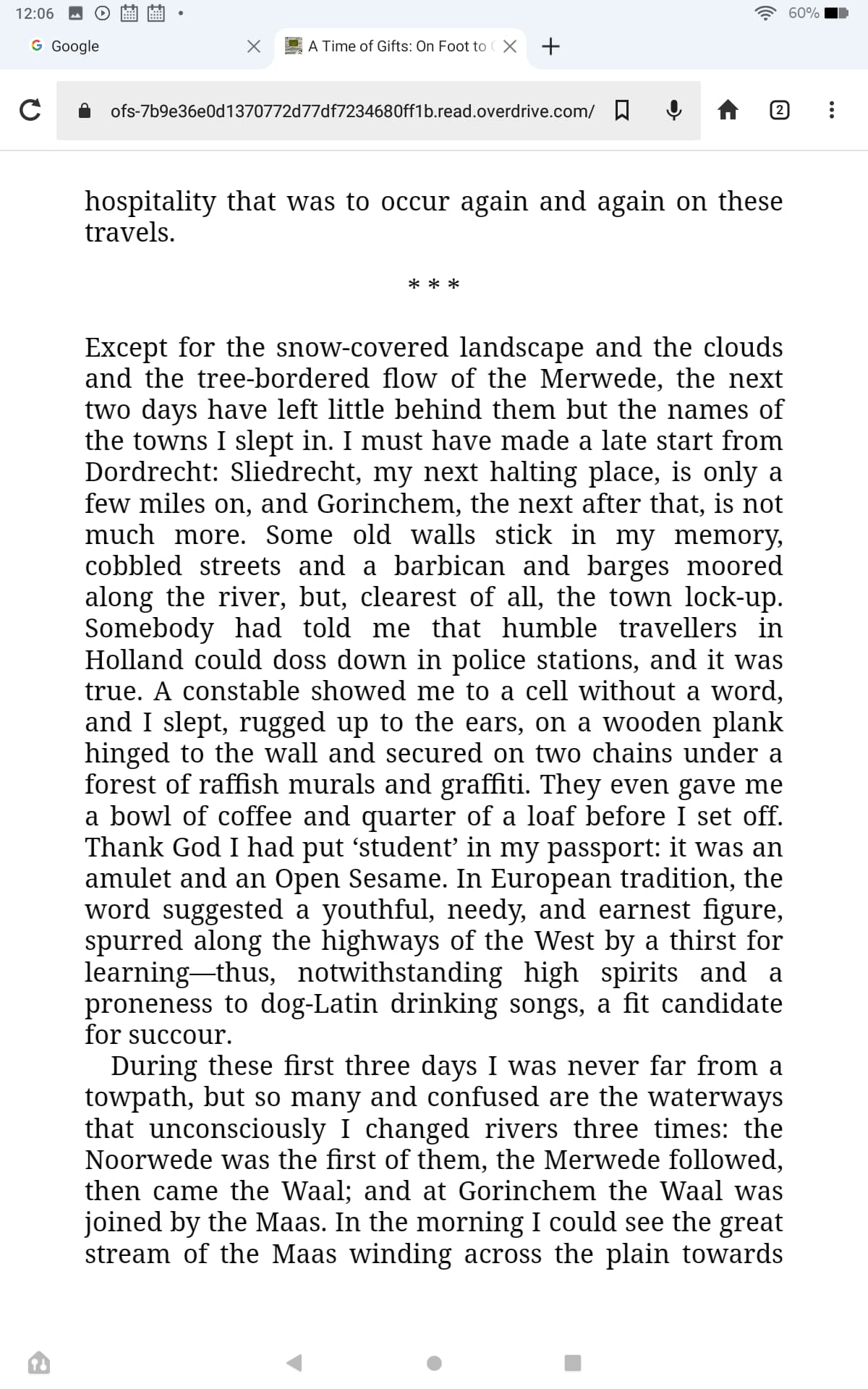
When he first disembarks in Holland he almost writes down hobo when asked for his occupation, but wisely puts down -
1 Like
My Danish uncle hitch-hiked from Denmark to Greece in 1948, through newly-communist eastern Europe, often as the first actual listed ‘tourist’ since WWII.
When I first went travelling through Europe, Africa, Asia and Australia from 1972 to 1975, when he asked me what occupation I was going to give, I said
“I dunno- student, I guess.”
He said “Never say student. Government officials hate students, especially Westerners,” (there were a lot of dictatorships at the time).
He said “I always said farmer- everybody loves farmers.”
Worked like a charm.
Guy in front of me: “Student”
Customs: “Are you here to cause trouble in my country? Sit on that bench for questioning.”
Me: “Farmer”
Customs official: “Oh, my father was a farmer up in the hills- welcome to my country!”
4 Likes
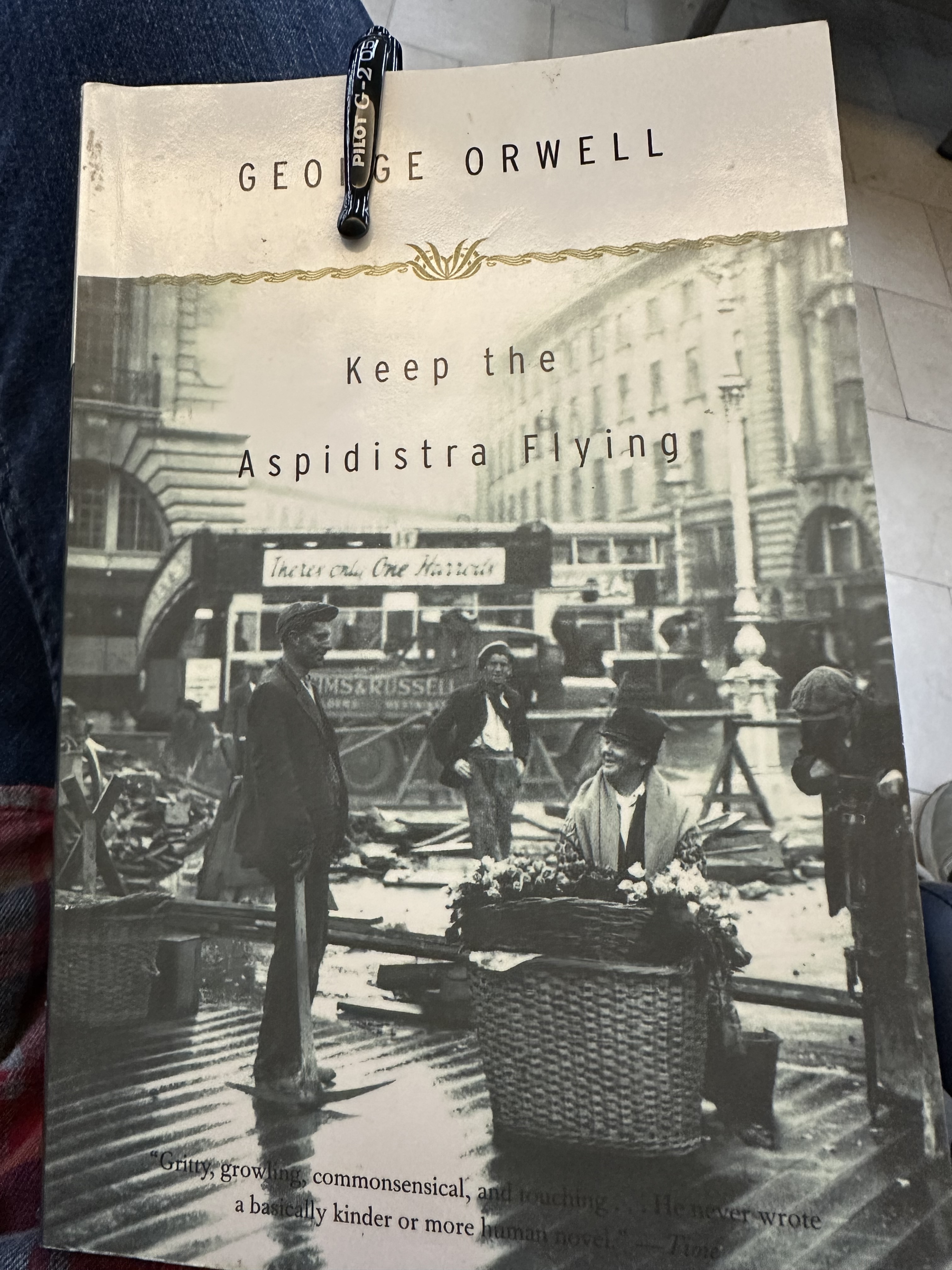
My least favorite Orwell novel. I read the collected works about a year ago (well, minus the Big 3 1984/Animal Farm/Burmese Days that I’d already read years ago). Shrill and whiney. The protagonist is annoying and unlikable. Pretty one-note in its denunciation of capitalism.
I’m reading it as an example of what Rorty is talking about in this book:
In this book, major American philosopher Richard Rorty argues that thinkers such as Nietzsche, Freud, and Wittgenstein have enabled societies to see themselves as historical contingencies, rather than as expressions of underlying, ahistorical human nature, or as realizations of suprahistorical goals. This ironic perspective on the human condition is valuable but it cannot advance Liberalism’s social and political goals. In fact, Rorty believes that it is literature and not philosophy that can do this, by promoting a genuine sense of human solidarity. Specifically, it is novelists such as Orwell and Nabokov who succeed in awakening us to the cruelty of particular social practices and individual attitudes. Thus, a truly liberal culture would fuse the private, individual freedom of the ironic, philosophical perspective with the public project of human solidarity as it is engendered through the insights and sensibilities of great writers. Rorty uses a wide range of references–from philosophy to social theory to literary criticism–to elucidate his beliefs.

I have Nabokov on tap.
I’ll agree with qbert- one of Orwell’s least worthy books.
I’m sure you two will have lots to talk about then. I found it funny, in a Catcher in the Rye way. It’s an ironic farce for farce sakes. It attacks advertising like F451 attacked TV.  it was a good read. Quick and easy.
Idk yet what Rorty was on about as I prefer to read the stuff first then look at the criticisms. We’ll have to circle back for that discussion.
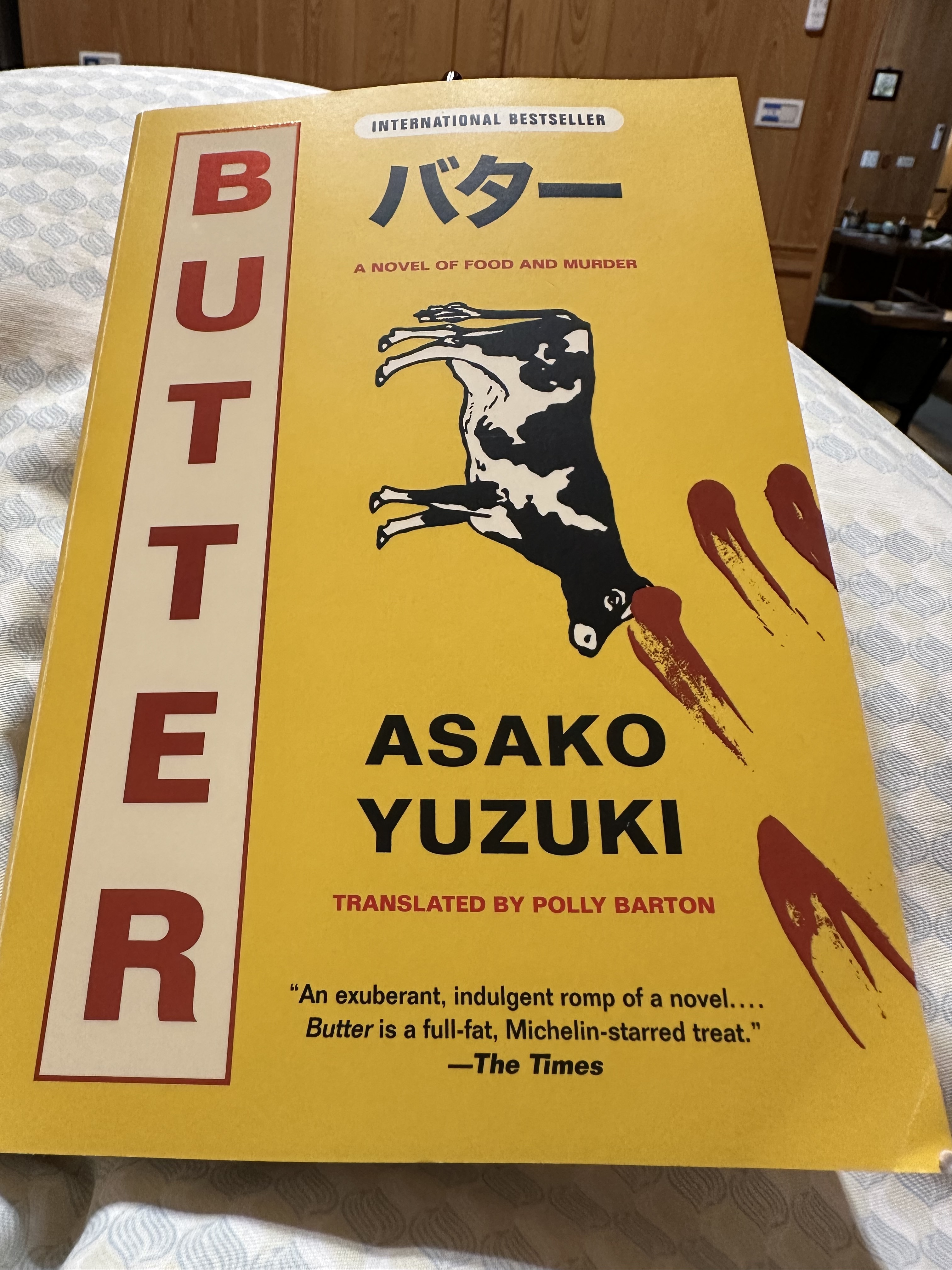
And so, on to this:
1 Like
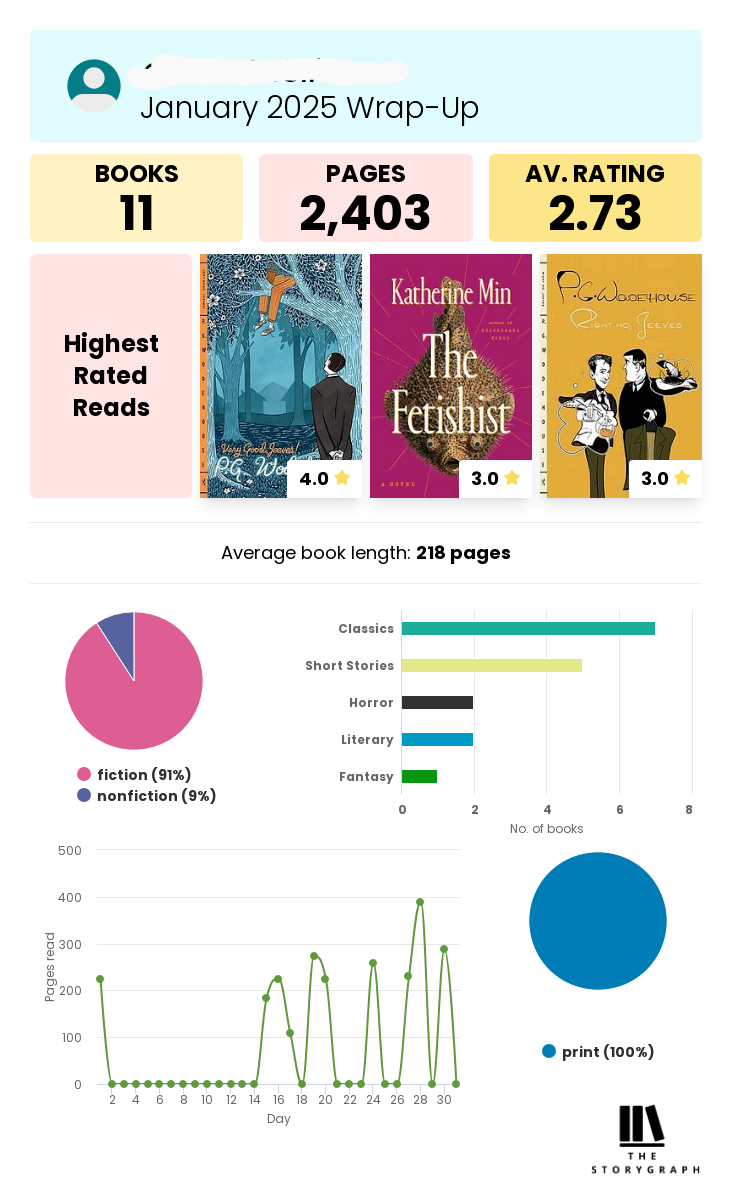
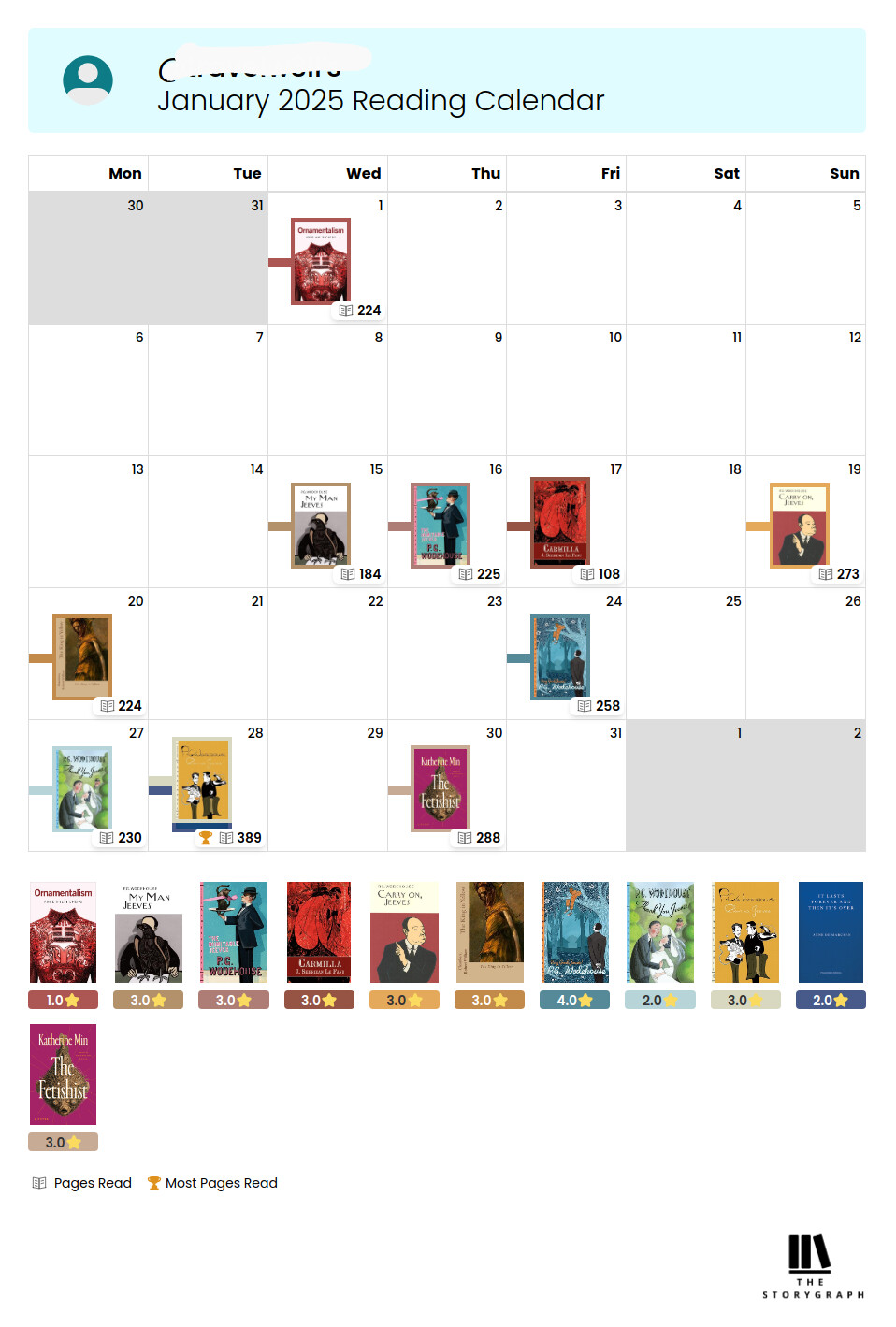
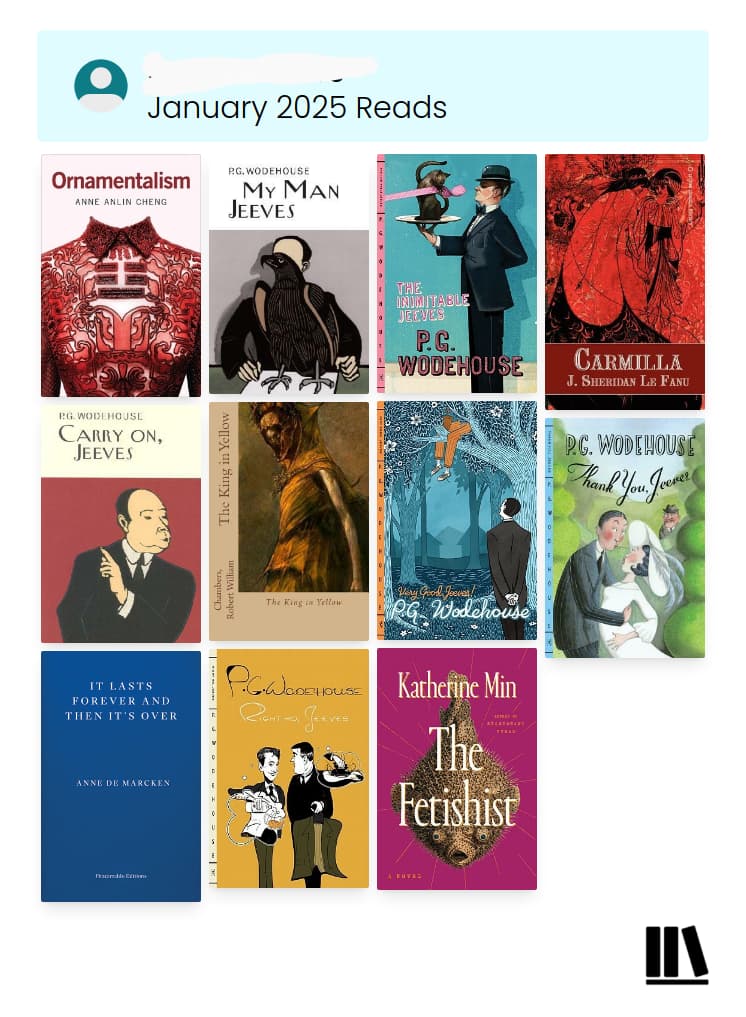
Storygraph
Just started using and really loving the Storygraph book reading tracking app. Lots of stats, charts, graphics, reports and good recommendations.
Note: They do not sell books.
A few report examples.
1 Like

Very funny and fast
4/5
It’s Not Easy Bein’ Me
by
Rodney Dangerfield
1 Like
Rorty was a socialist; in CIS he differentiates between the socialist values applicable to a democratic liberal society and the Existentialist/Nietzschean irony we hold within us.
I prefer the latter.
https://x.com/jamieloftusHELP/status/1657115345591705600
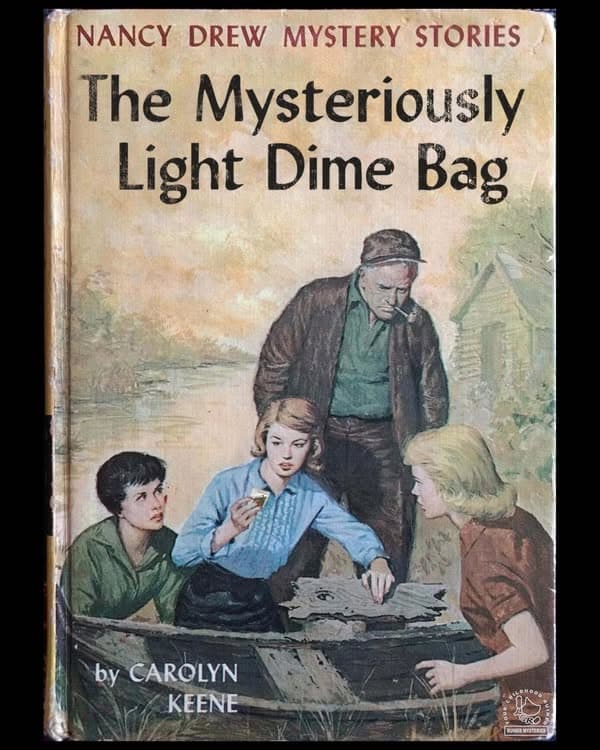
The book held interest in spots but 300 pages on hot dogs really stretches it, even if it is told as a road trip saga sampling the various regional styles and quirks. What really sinks it for me is the snarky, nouveau-woke Millenial voice of Ms. Loftus, combined with social-media age oversharing and the pop psychology analysis of the gender dynamics of pickles. Look, lady, I don’t care about your personal life or your politics, I just came here to get a chili dog.
And I wasn’t kidding about the pickles.
1 Like
This is supposedly the way Jimmy’s developed their menu.
I tried JimDogs but they didn’t cut the mustard. Turns out an authentic hotdog is almost as elusive and hard to find as a Sasquatch.
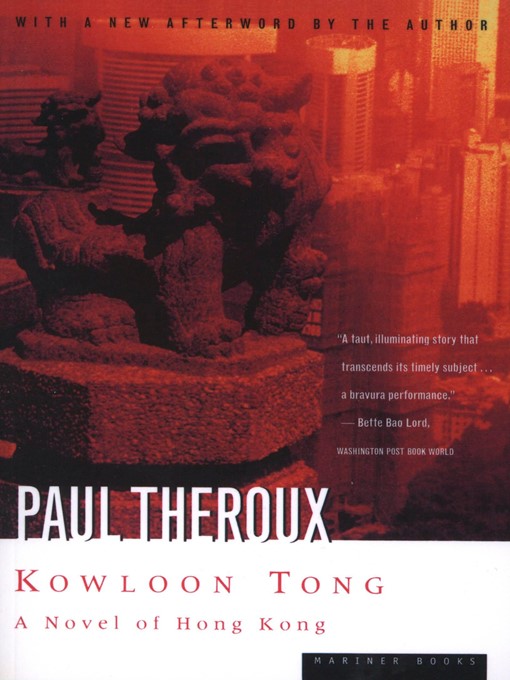
Mosquito Coast was a great novel (and Harrison Ford was stellar in the film), and I’m a fan of his travel writing, but this is not one of his best. This was released a year after the handover and honestly smells like a rush job designed to be timely. A few days or weeks in the city, or however long Theroux spent there hanging out on a film set with Jeremy Irons, wasn’t enough research, as he clearly has no feel or understanding of Hong Kong at all. Perhaps it’s changed a lot since 1997, but the portrait he paints does not resemble the city I’ve visited there off & on since 2001 very much at all. The expats are all segregated from their lower class Chinese employees & servants that they ‘affectionately’ refer to as chinky-chonks (!) as if this was the dwindling days of the Raj. The main character spends most of his time hanging out in Filipina go go bars, who speak a bizarre broken English slang that I’ve never heard any Filipinos actually speak. (And most Filipinos, even the bargirls, are pretty fluent in common English.) Other than that Kowloon seems entirely populated by Chinese & a handful of white expats who all hang out in the same exclusive expat bars & clubs (the American Club) - not the vibrant multi-cultural Kowloon full of ethnicities from all over the globe on every street corner that we all know and love.
Anyway, the protagonist is unsympathetic (pathetic, really, a mama’s boy), the plot isn’t that compelling, and the ending rushed & unsatisfactory. If you want a novel set on the eve of the handover, this ain’t it. Perhaps a novel that isn’t written fron the POV of a white British factory owner who, despite being born in Hong Kong (he’s never even visited Britain or left HK much in his life), has no Chinese friends and speaks no more than a few phrases in Cantonese (I find that really hard to swallow).
1 Like
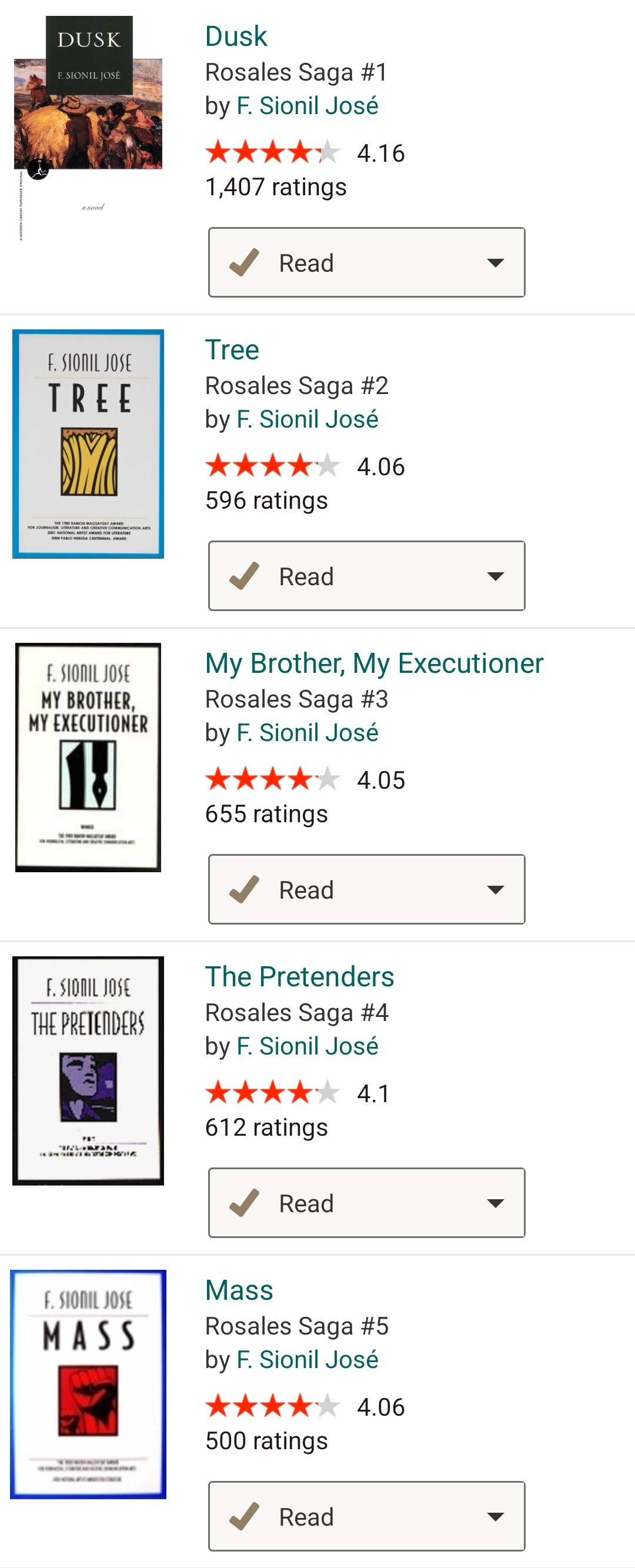
Recently finished and enjoyed the insightful historical fiction 5 book saga about modern Philippines.
Rosales Saga by F. Sionil José
Overall 4/5
The Rosales Saga traced the five generations of two families, namely the Samsons (poor farmers) and the Asperri (wealthy mestizos) through Spanish and American periods in the History of the Philippines up until the period after Philippine Independence.
Some of the books are much better than others. I recommend reading in chronological order although not necessary.
1 Like